
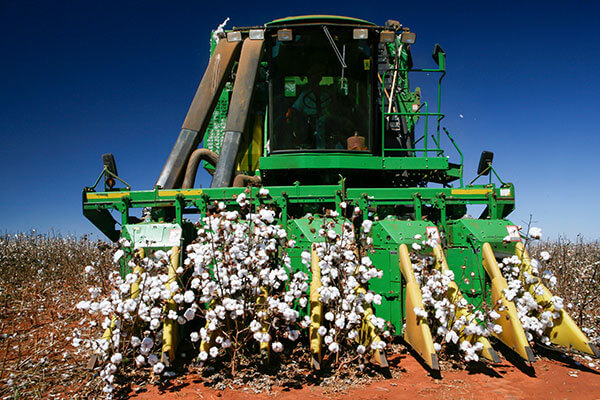
Cotton pickers operate under some of the toughest conditions in agriculture, and keeping them running through harvest depends heavily on having access to reliable replacement components. Farmers, dealers, and independent repair shops all rely on a network of American manufacturers that produce everything from spindles and doffers to complete row unit assemblies. Understanding who these manufacturers are and what they specialize in makes it easier to source the right parts quickly and keep downtime to a minimum. This overview looks at the landscape of cotton picker parts manufacturers in the United States and the capabilities that set different suppliers apart.
Why Domestic Manufacturing Matters for Cotton Pickers
Cotton harvesting equipment takes a beating during peak season, and parts like spindles, doffers, and moistener pads wear out on a predictable but frequent cycle. Sourcing these components from a domestic cotton picker parts manufacturer offers a few practical advantages over relying solely on overseas suppliers or waiting on original equipment backorders.
Key benefits of domestic sourcing include:
- Faster shipping and reduced lead times during critical harvest windows
- Easier communication with technical support teams familiar with US field conditions
- Parts engineered specifically for the wear patterns seen in American cotton growing regions
- Greater accountability and traceability if a part fails prematurely
Because cotton harvesting is time-sensitive, even a short delay in receiving a part can mean lost picking days, which makes proximity and responsiveness just as important as price.
OEM Manufacturers and Their Role
The two largest original equipment manufacturers in the cotton picker space are John Deere and Case IH, both of which design and produce pickers along with their own branded replacement parts. OEM components are engineered to exact factory specifications and are often the default choice for warranty repairs or newer machines still under manufacturer support.
That said, OEM parts typically come at a premium price and can be subject to longer wait times during high-demand periods, which has opened the door for a strong aftermarket manufacturing sector built specifically around cotton picker components.
The Role of Aftermarket Manufacturers
Aftermarket cotton picker parts manufacturers have built their businesses around producing components that match or exceed OEM specifications, often at a lower cost and with faster availability. Several companies have carved out a strong reputation in this space by focusing specifically on cotton harvesting equipment rather than general agricultural parts.
Notable aftermarket manufacturers include:
- Companies that specialize in spindles, doffers, and moistener pads, which are among the most frequently replaced components on any picker
- Manufacturers offering fabricated sheet metal and structural components for full assembly rebuilds
- Suppliers that maintain compatibility across multiple picker generations, including older models that OEMs may no longer fully support
- Businesses that combine in-house manufacturing with sourcing from trusted third-party suppliers to keep inventory broad
One well-known example is Certi-Pik, USA, which has operated since 1988 and produces a wide range of fabricated replacement components for cotton harvesters, including parts compatible with major brands like John Deere. Another is R.M. King Company, which specializes specifically in spindles, doffers, and moistener pads and has one of the longest-running aftermarket spindle manufacturing operations in the industry.
Specialized Component Manufacturers
Beyond full-line suppliers, some manufacturers focus almost entirely on a narrow category of components, allowing them to refine their engineering and production processes around a specific part type. This specialization often results in higher durability and more consistent fit compared to generalist suppliers.
Examples of specialized focus areas include:
- Spindle production, where wear resistance and precision machining are critical
- Doffer and moistener pad manufacturing, which often involves polyurethane or rubber compound engineering
- Bearing and hub components, where sourcing from established industrial bearing manufacturers ensures reliability
- Custom fabricated parts for older or discontinued picker models that are difficult to source elsewhere
Companies like Sikson, which is supported by ETW International in the United States, focus specifically on producing doffer assemblies, spindles, moistener pads, and bar assemblies for both John Deere and Case IH pickers, often maintaining ISO certified production standards.
Parts Distributors and Supply Networks
In addition to manufacturers that produce parts directly, a network of distributors and supply companies plays a major role in getting components into the hands of farmers and repair shops quickly. These distributors often carry parts from multiple manufacturers under one roof, simplifying the ordering process.
Common distributor capabilities include:
- Maintaining large in-stock inventories across multiple picker brands and models
- Offering branded product lines, such as PickSmart, that consolidate parts from several manufacturing sources
- Providing same-day or next-day shipping for time-sensitive harvest repairs
- Supporting both domestic and international customers with established shipping infrastructure
Distributors like Quality Farm Supply and SMA have built reputations around carrying broad inventories that span both John Deere and Case IH compatible components, which reduces the need to contact multiple suppliers for a single repair.
Evaluating Manufacturing Quality and Capabilities
Not every cotton picker parts manufacturer offers the same level of quality, and understanding what separates a reliable supplier from an inconsistent one can save significant time and money over a harvest season.
Factors worth evaluating include:
- Manufacturing processes, such as CNC machining, robotic welding, and precision forming, which indicate consistent tolerances
- Industry certifications, including ISO standards, which reflect structured quality control
- Years in business and reputation within the cotton growing community
- Availability of technical support for identifying the correct part for a specific model and serial number
- Breadth of inventory, particularly for older or discontinued machines
Manufacturers that invest in modern production equipment and maintain accreditation through organizations like the Better Business Bureau tend to offer more consistent results across large orders and repeat purchases.
FAQ
What is the difference between OEM and aftermarket cotton picker parts? OEM parts are produced directly by the original equipment manufacturer, such as John Deere or Case IH, and match factory specifications exactly. Aftermarket parts are produced by independent manufacturers and are often designed to match or exceed those same specifications at a lower cost.
Are aftermarket parts reliable for cotton pickers? Many established aftermarket manufacturers use precision machining and rigorous quality control processes, making their parts a reliable option. Reputation, certifications, and years in business are good indicators of consistent quality.
Which components wear out most often on a cotton picker? Spindles, doffers, and moistener pads tend to wear fastest due to constant contact with plants during harvest, making them some of the most frequently replaced parts.
Can aftermarket manufacturers supply parts for older picker models? Yes. Many aftermarket suppliers maintain inventory and fabrication capabilities specifically for older or discontinued models that OEMs may no longer fully support.
How do I choose a reliable cotton picker parts manufacturer? Look for manufacturers with established industry reputations, relevant certifications, modern production equipment, and strong technical support to help confirm part compatibility.
Do distributors carry parts from multiple manufacturers? Yes. Many distributors consolidate inventory from several manufacturers into a single branded product line, which simplifies ordering and reduces the need to contact multiple suppliers.
Final Thoughts on the Cotton Picker Parts Landscape
The United States is home to a diverse mix of manufacturers and distributors supporting cotton picker maintenance and repair, ranging from major OEMs to specialized aftermarket producers focused on specific components. Choosing the right cotton picker parts manufacturer depends on factors like the age of your equipment, how quickly you need parts during harvest, and whether OEM specifications or cost savings matter more for your operation. By understanding the capabilities of different manufacturers and distributors, farmers and repair shops can build reliable sourcing relationships that keep equipment running smoothly through every harvest season.
