
Essential Metal Options for Custom Engagement Rings
The foundation of any exceptional engagement ring is its metal. The choice of metal significantly impacts the ring’s durability, appearance, and overall feel. For men’s wedding bands, in particular, durability often takes precedence, as these rings are designed for constant, everyday wear. We’ll explore the most popular gold options, focusing on the differences in karat fineness, as well as introduce other notable metals.
Gold, in its purest form (24K), is too soft for jewelry. It’s alloyed with other metals to increase its strength and alter its color. The karat system indicates the proportion of pure gold in the alloy.
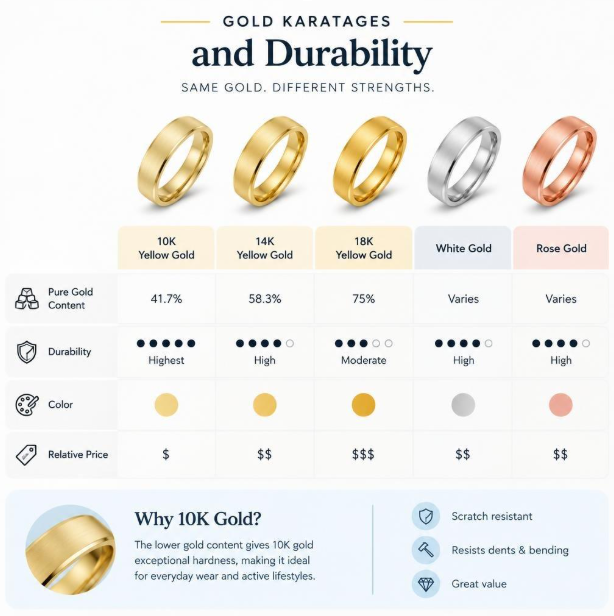
- 10K Gold: Comprising 41.7% pure gold (10 parts gold out of 24) and 58.3% other metals, 10K gold is the hardest and most durable of the gold karats commonly used in jewelry. Its higher alloy content makes it exceptionally resistant to scratches, dents, and bending, making it an outstanding choice for men with active lifestyles or hands-on professions. It offers a subtle, lighter yellow hue and is the most budget-friendly gold option.
- 14K Gold: With 58.3% pure gold, 14K gold strikes a popular balance between durability and the rich yellow color of pure gold. It’s less prone to scratching than 18K but still offers a more vibrant gold tone than 10K. This makes it a widely chosen option for both men’s and women’s rings.
- 18K Gold: Containing 75% pure gold, 18K gold boasts a deep, luxurious yellow color. While highly prized for its aesthetic, its higher gold content makes it softer and more susceptible to scratches and wear compared to 10K or 14K gold. It is also the most expensive of the common gold karats.
Beyond yellow gold, other popular gold colors include:
- White Gold: Created by alloying gold with white metals like palladium or nickel, and typically finished with a rhodium plating to enhance its bright, silvery-white appearance. This plating may need reapplication every few years to maintain its luster.
- Rose Gold: A romantic and increasingly popular choice, rose gold gets its distinctive pinkish hue from a higher copper content in its alloy. It is quite durable due to the copper.
Choosing 10K gold offers exceptional hardness due to its lower gold content, making it ideal for men who need a wedding ring that withstands daily wear. The visual difference between 10k and 14k yellow gold is minimal to the untrained eye, offering a similar gold shine at a lower price point. This makes 10k a smart and stylish choice for everyday wear that balances long-term value and structural durability.
To help visualize these differences, consider the following comparison:
Understanding Gold Alloys and Karat Fineness
The precise composition of gold alloys is crucial for understanding their performance. For 10K gold, its 41.7% purity means that over half of the ring’s material is composed of other metals like silver, copper, and sometimes zinc or nickel. This significant proportion of alloying metals is what gives 10K gold its remarkable properties.
The addition of these alloys dramatically increases the gold’s tensile strength and overall hardness ratings. This translates directly to superior resistance against deformation, scratching, and general wear and tear, which is particularly beneficial for a men’s wedding band intended for daily wear. While higher karat golds like 14K and 18K are beautiful, their increased pure gold content makes them inherently softer and more prone to showing signs of daily life.
The color warmth of 10K yellow gold is often described as a subtle, understated yellow. It’s less intense than 18K gold, which some wearers prefer for its versatility and less ostentatious appearance. It blends well with various skin tones and can complement other jewelry pieces without overpowering them.
Regarding potential hypoallergenic concerns, it’s worth noting that some gold alloys, including those used in 10K gold, can contain nickel. While many modern alloys are nickel-free, individuals with known nickel allergies should always inquire about the specific alloy composition with their jeweler to ensure their ring is suitable for their skin.
Alternative Metals and Complementary Bands
While gold remains a timeless choice, the market for men’s wedding bands has expanded to include a variety of alternative metals, each with unique characteristics. These options often appeal to those seeking different aesthetics, extreme durability, or specific hypoallergenic properties.
- Tungsten: Known for its incredible hardness and scratch resistance, tungsten carbide is one of the most durable metals available for rings. It has a substantial weight and a distinctive dark gray or black appearance. A key characteristic is its inability to be resized; in case of size change, a new ring is usually required.
- Titanium: Lightweight, highly durable, and hypoallergenic, titanium is an excellent choice for those seeking comfort and strength without the heft of other metals. It typically has a grayish-silver color and can be difficult to resize.
- Tantalum: A rare, dark gray metal that is highly resistant to corrosion and hypoallergenic. Tantalum is quite durable and has a unique, contemporary look. It offers a good balance of strength and wearability, and unlike tungsten, it can be resized within limits.
- Stainless Steel: An affordable and durable option, stainless steel rings are resistant to rust, tarnish, and corrosion. While less traditional for wedding bands, they offer a sleek, modern aesthetic.
When comparing 10K yellow gold to these modern metals, it’s clear that 10k gold performs well alongside them in terms of durability and scratch resistance. It offers the classic appeal and inherent value of gold while providing the robust qualities needed for an active lifestyle. For instance, 10k gold provides a strong balance between beauty and strength, making it an excellent alternative to more delicate options like platinum or sterling silver, and it stands up well against the hardness of tantalum, tungsten, cobalt, and zirconium.
Many couples also opt for dual-metal designs, combining 10K yellow gold with white gold or other metals for a distinctive look. Furthermore, for those with highly active jobs or hobbies, a silicone band is often purchased as a complementary piece. These flexible, comfortable, and safe rings can be worn during workouts, manual labor, or travel, keeping the precious gold wedding band safe from damage or loss. Many retailers offer a free silicone ring with the purchase of a gold band.
When considering all these options, especially for a truly unique piece, exploring resources dedicated to personalized jewelry, such as those discussing custom engagement rings, can provide valuable insights into bespoke design and help you make an informed decision for your lasting symbol of commitment.
Selecting Gemstones and Structural Settings
Once the metal foundation is chosen, the next step in designing a custom engagement ring involves selecting the gemstones and the setting that will securely hold them. For many, this means choosing a diamond, the quintessential symbol of enduring love, but other precious stones can also be incorporated.
When selecting diamonds, we emphasize the “4 Cs”:
- Cut: This is perhaps the most critical factor, as it dictates how brilliantly a diamond reflects light. A well-cut diamond will sparkle intensely.
- Color: Diamonds are graded on a scale from D (colorless) to Z (light yellow or brown). For most engagement rings, near-colorless diamonds (G-J) offer excellent value and appearance.
- Clarity: This refers to the absence of inclusions (internal flaws) and blemishes (external imperfections). Grades range from Flawless (FL) to Included (I1, I2, I3). For men’s bands, where diamonds might be smaller or channel-set, slight inclusions are often less noticeable. For example, a 10K yellow gold men’s wedding band might feature a 1/10 carat total weight (Cttw) diamond with J-K color and I2-I3 clarity, offering sparkle at an accessible price point.
- Carat Weight: This measures the diamond’s weight, not its size. “Cttw” or “CTW” refers to the total carat weight of all diamonds in a piece of jewelry, such as the 1/10 Cttw often seen in men’s diamond-accented bands.
We also strongly advocate for ethical sourcing and conflict-free diamonds. Reputable jewelers ensure their diamonds are sourced responsibly, adhering to international standards like the Kimberley Process.
While diamonds are traditional, other gemstones like sapphires, rubies, or emeralds can be incorporated for a unique touch, especially as accent stones or inlays.
Setting Styles for Custom Engagement Rings
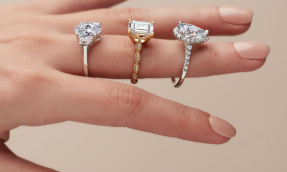
The setting style is not just about aesthetics; it’s about the structural security of your gemstones and how the ring will withstand daily wear. Different settings offer varying levels of protection and display the stone in distinct ways.
- Prong Settings: This classic style uses small metal claws to hold the gemstone in place, maximizing light entry and sparkle. While beautiful, prongs can snag on clothing or be bent if subjected to significant impact, potentially loosening the stone.
- Bezel Settings: In this highly secure setting, a metal rim completely encircles the gemstone, holding it firmly in place and protecting its edges from chips and knocks. Bezel settings offer a sleek, modern look and are excellent for active wearers.
- Channel Settings: Often seen in men’s wedding bands or rings with multiple smaller diamonds, channel settings place stones flush within a metal channel, with no metal separating them. This creates a smooth surface, protecting the stones while offering a seamless flow of sparkle. A 10K yellow gold round diamond men’s wedding band with 1/10 Cttw often utilizes a channel setting for enhanced durability.
- Pave Settings: Small diamonds are set closely together, creating a surface that appears “paved” with diamonds. The metal beads holding them are barely visible, allowing the diamonds to dominate the surface.
- Halo Designs: A central gemstone is encircled by a “halo” of smaller diamonds, making the center stone appear larger and adding extra brilliance.
For men’s rings, especially those intended for robust daily wear, settings that offer enhanced protection, such as bezel or channel settings, are often preferred. These styles minimize the risk of damage to the stones and offer a smoother profile, reducing snagging.
Gemstone Certification and Appraisal Standards
When investing in a custom engagement ring, especially one featuring diamonds or other precious gemstones, understanding certification and appraisal standards is paramount. These documents provide independent verification of your stone’s quality and authenticity.
Authenticity certificates from reputable gemological laboratories like the Gemological Institute of America (GIA), American Gem Society (AGS), or European Gemological Laboratories (EGL) are crucial. These reports provide an unbiased assessment of a diamond’s 4 Cs (cut, color, clarity, and carat weight), giving you confidence in your purchase. For items priced above $300, a complimentary Certificate of Authenticity for the gold and diamonds is often provided upon request, offering peace of mind regarding the metal fineness and gemstone quality.
Cut grading is a significant aspect of these reports, as it directly impacts a diamond’s sparkle. A well-graded cut ensures the diamond’s facets are proportioned to maximize light performance. For any diamond accents, such as a 1/10 Cttw in a men’s band, knowing the color and clarity grades (e.g., J-K color and I2-I3 clarity) helps in evaluating the overall value and appearance of the piece.
Beyond diamonds, if you opt for sapphire or other gemstone inlays, reputable jewelers will also provide information on their origin and treatment. These certifications and appraisals are not just paperwork; they are an assurance of quality, ethical sourcing, and the true value of your custom engagement ring, ensuring it meets the highest standards.
Custom Band Profiles, Surface Finishes, and Sizing
The overall aesthetic and comfort of a men’s wedding band are heavily influenced by its profile, surface finish, and, critically, its precise sizing. These elements allow for significant personalization, ensuring the ring reflects the wearer’s individual style and feels comfortable for a lifetime of wear.
Ring Profiles refer to the shape of the band when viewed in cross-section. Common options for men’s 10K yellow gold wedding bands include:
- Domed (or Classic D-shape): This is the most traditional profile, featuring a rounded exterior and a flat interior. It offers a timeless, elegant look.
- Flat: A modern and minimalist choice, with a flat exterior and often sharp, squared edges.
- Euro Comfort Fit: This profile features a rounded interior, designed to reduce friction and allow for easier sliding over the knuckle, making it exceptionally comfortable for daily wear, especially with wider bands. Many 10K yellow gold wedding bands feature a domed comfort fit profile.
- Stepped Edge, Beveled Edge, Rounded Edge: These are variations that add distinct architectural details to the band’s edges, offering a contemporary twist on classic designs.
Band Widths for men’s rings typically range from 2mm to 10mm. The most popular widths for 10K yellow gold men’s wedding bands are 6mm and 8mm, with 8mm being a particularly favored choice for its substantial feel and presence on the hand. However, options are available from 2mm up to 10mm, catering to personal preference and finger size.
Surface Textures and Personal Accents
The surface finish of a 10K yellow gold wedding band plays a huge role in its visual appeal and how it interacts with light. Different finishes can dramatically alter the ring’s character and also influence its maintenance.
- Polished: This is the most classic finish, offering a high-shine, reflective surface that enhances the warm glow of 10K yellow gold. It’s elegant but can show scratches more readily.
- Satin (or Brushed): A matte, non-reflective finish created by brushing the metal. It gives the ring a sophisticated, understated look and tends to hide minor scratches better than a polished finish.
- Hammered: This unique finish features small, intentional indentations created by a jeweler’s hammer, giving the ring a rugged, artisanal, and textured appearance.
- Distressed: Designed to look aged or worn, a distressed finish adds character and a vintage feel, often appealing to those who prefer a less pristine look.
- Milgrain Detailing: This decorative technique involves creating tiny beads along the edges of the ring, adding a delicate, vintage-inspired texture and enhancing its craftsmanship.
Beyond finishes, custom engraving is a popular way to personalize a wedding band. Dates, initials, meaningful quotes, or even fingerprints can be inscribed on the interior (or sometimes exterior) of the band, creating a deeply personal touch. Many jewelers offer custom engraving for an additional fee, often around $25. Inlays, such as black enamel, brushed metal, or even small gemstone accents like sapphire or diamond, can also be incorporated to create a truly unique piece. For example, 10K yellow gold wedding bands can feature inlays like black enamel or brushed metal, adding contrast and individuality.
Sizing Precision and Future Resizability
Accurate ring sizing is paramount for comfort and to prevent loss. A ring that is too loose can slip off, while one that is too tight can be uncomfortable and difficult to remove.
To ensure precision, we recommend using a physical ring sizer rather than relying solely on printable paper sizers, which can be inaccurate. Professional measurement by a jeweler is always the best option. It’s also important to consider factors like finger swelling (due to temperature, time of day, or activity) and the size of your knuckle. If your knuckle is significantly wider than the base of your finger, you’ll need a size that can comfortably pass over the knuckle without being too loose on the finger. 10K yellow gold rings are available in a wide range of sizes, typically from 4 to 15.25, including half and quarter sizes, to ensure a perfect fit.
Resizing limitations are an important consideration. While 10K gold is generally very resizable due to its malleability compared to alternative metals, certain designs can pose challenges. Rings with intricate patterns, eternity bands (where diamonds encircle the entire band), or tension settings might have limited resizing capabilities. Always confirm the jeweler’s resizing policy, as many offer free resizing within a certain period after purchase. For example, 10K yellow gold wedding bands often come with a lifetime warranty and free exchanges, which can include resizing services. This flexibility is a significant advantage of choosing a gold band over some alternative metals that cannot be resized at all.
Production Logistics and Timeline Planning
Bringing a custom engagement ring to life involves a thoughtful process, from initial design concepts to the final polished piece. Understanding the production logistics and timeline is essential for managing expectations and ensuring your ring is ready for that special moment.
The journey often begins with detailed discussions about your vision, leading to CAD (Computer-Aided Design) modeling. This digital rendering allows you to visualize the ring from all angles and make precise adjustments before any metal is cut. Once the CAD model is approved, a wax mold of the design is typically created. This physical prototype provides an opportunity to see and feel the ring’s dimensions and profile, offering a final chance for modifications.
Following wax mold approval, the actual crafting process begins, involving casting the chosen metal (like 10K yellow gold), setting any gemstones, and meticulously finishing the ring. This entire process, from design approval to completion, constitutes the production turnaround time.
Manufacturing lead times for custom 10K yellow gold wedding bands typically range from 4 to 6 weeks. This timeline accounts for the intricate steps involved, including design finalization, material sourcing, casting, stone setting, polishing, and quality control. It’s crucial to plan well in advance, especially if you have a specific date in mind, such as a wedding or proposal. While some jewelers may offer rush options, these often come with additional costs and may not always be feasible for complex custom designs. Always confirm the estimated delivery schedules with your jeweler.
Budgeting for Custom Engagement Rings
Designing a custom engagement ring is an investment, and understanding the factors that influence its cost is key to effective budgeting. 10K yellow gold offers a unique advantage in this regard, providing a balance of beauty, durability, and affordability.
- Metal Costs: The karat of gold directly impacts its price. As 10K gold contains the lowest percentage of pure gold among common karats, it is significantly more affordable than 14K or 18K gold. For instance, the price of 10K yellow gold wedding bands can range from approximately $294.25 to $1,979.50, depending on width, design, and any added gemstones. This makes 10K gold an excellent option for those prioritizing value without compromising on the classic appeal of gold.
- Labor Fees: Custom design involves the skilled work of jewelers, designers, and artisans. These labor fees cover the time and expertise required for CAD modeling, wax mold creation, casting, setting, and finishing. The complexity of your design will influence these costs.
- Gemstone Pricing: The cost of gemstones, particularly diamonds, varies widely based on their 4 Cs (cut, color, clarity, and carat weight). A 10K yellow gold wedding band with a 1/10 carat total weight diamond might be priced around $659.60 (down from a regular price of $1,649.00), demonstrating how diamond accents can be incorporated affordably.
- Warranty and Exchange Policies: Factor in the value of comprehensive policies. Many reputable jewelers offer a lifetime warranty for manufacturing defects and free exchanges, which can cover resizing or issues with the ring. These policies add significant long-term value and peace of mind to your purchase.
- Value Optimization: Choosing 10K yellow gold is a strategic decision for value optimization. It provides a highly durable ring that withstands daily wear, maintains its classic appeal, and is more resistant to damage than higher karat options, potentially saving on future repair costs. This makes it a smart choice for everyday wear that balances long-term value and structural durability.
Frequently Asked Questions About Bespoke Rings
When embarking on the journey of designing a custom engagement ring, it’s natural to have questions. Here, we address some of the most common inquiries to help you navigate the process with confidence.
How long does the custom design process typically take?
The timeline for creating a custom engagement ring can vary depending on the complexity of the design, the availability of materials, and the jeweler’s current workload. Generally, from the initial consultation to the final delivery, you can expect the process to take anywhere from 4 to 6 weeks.
This duration includes several key stages:
- Design Approvals: Time spent finalizing sketches, CAD models, and wax molds. This iterative process ensures every detail matches your vision.
- Casting Process: The time required to cast the ring in your chosen metal, such as 10K yellow gold.
- Gemstone Setting and Finishing: Meticulous work involved in securely setting diamonds or other gemstones and applying the desired finish.
- Quality Control: A final inspection to ensure the ring meets the highest standards.
We always recommend starting the custom design process well in advance of your desired presentation date to allow ample time for each stage. While some jewelers may offer rush options, these often come with an additional fee and may not be available for all designs. Always confirm the estimated delivery schedules with your jeweler at the outset.
How do different gold karats impact durability and maintenance?
The karat of gold significantly influences both its durability and the level of maintenance required to keep it looking its best.
- 10K Gold Durability: As previously discussed, 10K gold is the most durable of the common gold karats. Its composition of 41.7% pure gold and 58.3% strong alloying metals makes it highly resistant to scratches, dents, and bending. This exceptional hardness makes it an ideal choice for men’s wedding bands, especially for those with active lifestyles, as it holds up very well to daily wear. Its robust nature means it generally requires less frequent professional polishing to remove surface scratches compared to higher karats.
- 14K Gold Balance: 14K gold offers a good balance between durability and the rich appearance of pure gold. With 58.3% pure gold, it’s harder than 18K but slightly softer than 10K. It’s a popular choice because it combines good wear resistance with a more vibrant gold color.
- 18K Gold Softness: 18K gold, with 75% pure gold, is the softest of the three. While it boasts a luxurious deep yellow hue, it is more susceptible to scratching and denting. This means 18K rings may require more careful handling and more frequent professional polishing to maintain their pristine condition.
For routine cleaning, all gold karats benefit from simple care: gently wash with mild soap and warm water, using a soft brush to remove dirt. Rinse thoroughly and dry with a lint-free cloth. For deeper cleaning or to address significant scratches, professional polishing is recommended. The inherent strength of 10K gold often translates to lower maintenance needs over its lifetime.
Can custom rings be resized after completion?
The ability to resize a custom ring after it’s completed largely depends on the metal type, the ring’s design, and the presence of gemstones.
For 10K yellow gold bands, resizing is generally possible. Gold is a malleable metal, allowing jewelers to add or remove small sections of metal to adjust the size. Rings with a comfort fit profile are typically easier to resize due to their uniform thickness. Most jewelers can adjust 10K gold rings up or down by a few sizes, including half sizes, to ensure a perfect fit if your finger size changes over time.
However, there are sizing limitations to be aware of:
- Eternity Bands: Rings where gemstones encircle the entire band are extremely difficult, if not impossible, to resize without compromising the setting or damaging the stones.
- Intricate Designs: Rings with complex patterns, engravings that span the entire circumference, or tension settings may have limited resizing capabilities.
- Alternative Metals: Many alternative metals like tungsten or titanium cannot be resized at all. This is another advantage of choosing a gold band.
Before finalizing your custom design, discuss potential resizing needs with your jeweler. They can assess the feasibility of future metal adjustments based on your chosen design and provide guidance. Many reputable jewelers offer free resizing as part of their warranty or exchange policies, so be sure to inquire about this valuable service.
Conclusion
Designing a custom engagement ring is a journey of heartfelt decisions, culminating in a piece of jewelry that is as unique as your love story. By carefully considering each element – from the foundational metal to the intricate details of gemstones and finishes – you ensure the creation of a ring that is not only beautiful but also built to last.
Choosing a metal like 10K yellow gold for a men’s wedding band exemplifies a smart decision, offering exceptional hardness and durability for daily wear, while maintaining the timeless allure of gold. Its robust nature provides long-term durability and structural integrity, making it an ideal choice for those with active lifestyles. The subtle visual difference between 10K and higher karats, combined with its affordability, makes it a stylish and practical option for a lifetime commitment.
From selecting the perfect diamond and its secure setting to personalizing the band with unique finishes and engravings, every choice contributes to the ring’s individual character. Understanding the production logistics and budgeting considerations empowers you to make informed decisions throughout the process.
A custom engagement ring is more than just jewelry; it is a personalized craftsmanship, a tangible symbol of enduring love, and a future heirloom quality piece that will be cherished for generations. With careful planning and attention to detail, you can create a ring that perfectly embodies your unique bond and stands the test of time.
