
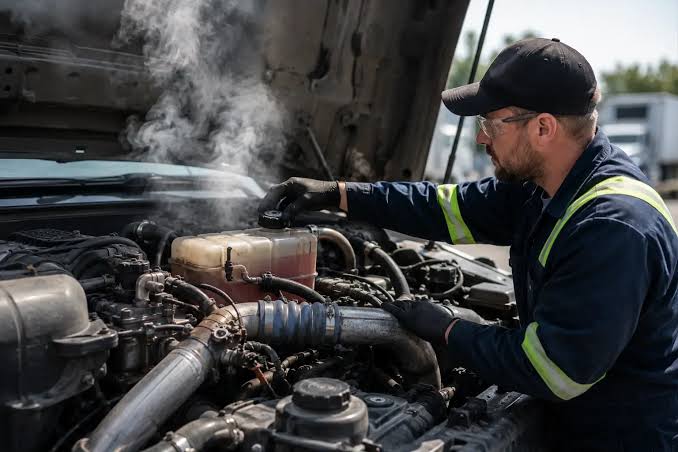
Most major diesel engine failures begin with smaller clues that are easy to dismiss during a busy workday. Whether an operation relies on a Cummins ISM engine or another heavy-duty platform, paying attention to changes in starting, power, noise, fluid consumption, and exhaust can help identify problems before they lead to expensive downtime. Reliable operation comes from consistent habits rather than waiting for a warning light. A short inspection, accurate maintenance records, and a careful diagnostic process can help fleet owners, owner-operators, and equipment managers make better repair decisions.
Early Warning Signs Of Engine Trouble
A diesel engine rarely fails without giving some indication that conditions have changed. Longer cranking, rough idle, new vibration, reduced pulling power, rising fuel consumption, unusual smoke, knocking, whistling, or repeated warning lights all deserve attention. One symptom can have several causes. For example, low power may result from a restricted air filter, a charge-air leak, a fuel-delivery issue, an exhaust restriction, or internal engine wear.
Daily And Pre-Trip Checks
A practical walk-around takes little time and can reveal leaks, loose connections, or component damage before the engine is placed under load. Commercial operators should also follow applicable inspection, repair, and maintenance requirements, as well as the vehicle and engine manufacturer’s service guidance.
- Check engine oil and coolant levels when conditions are safe.
- Look beneath the vehicle or equipment for fuel, oil, or coolant leaks.
- Inspect hoses, clamps, belts, battery connections, wiring, and air lines.
- Check the air-filter restriction indicator if the system has one.
- Listen for unusual sounds during startup and note warning lights.
Fluids, Filters, And Airflow
Oil, fuel, coolant, and intake air all affect combustion and component life. Track how much oil and coolant are added between services, and investigate a meaningful change rather than simply topping off the system. Use the oil grade and specification required for the engine, replace fuel filters at the prescribed interval, and drain water separators when the equipment manufacturer calls for it. Restricted airflow and poor oil control can also affect soot production and aftertreatment operation. California guidance on heavy-duty diesel engine maintenance notes that worn injectors, dirty air filters, turbocharger problems, coolant loss, and excess oil consumption can contribute to filter loading or related emissions-system problems.
Useful Fluid And Filter Checks
- Look for fuel dilution, coolant contamination, or an unexpected change in oil condition.
- Inspect filter housings and seals for leaks or improper seating.
- Replace air filters according to restriction readings and service instructions.
- Consider oil analysis for high-hour equipment, uncertain maintenance history, or suspected internal wear.
Cooling System Checks
Repeated temperature increases should be treated as a diagnostic clue, not merely a gauge issue. With the engine cold, inspect the coolant level, hose condition, clamps, and dried coolant residue. Keep the radiator, charge-air cooler, and fan area clear of dirt and debris that can limit airflow. An engine that runs consistently too cool can also operate inefficiently, so temperature readings should be evaluated alongside operating conditions and service specifications.
Fuel System And Turbocharger Clues
Fuel delivery and intake airflow work together, so symptoms often overlap. Hard starting after sitting, uneven idle, surging under load, reduced power, smoke, and unusual fuel consumption can justify inspection of filters, fuel quality, supply connections, and related controls. Whistling, slow response under load, oily intake piping, split charge-air hoses, loose clamps, or boost-related codes may point toward the turbocharger or charge-air system.
Do not handle high-pressure fuel components with the engine running. When injection pressure, timing, turbocharger condition, or internal damage is suspected, testing should be performed by a qualified technician using the correct procedures.
Using Diagnostics The Right Way
Electronic diagnostics can narrow the search, but a fault code identifies a system reading or condition outside an expected range. It does not always identify the failed component. Record the exact code and operating conditions, inspect wiring, connectors, grounds, and hoses, then compare live data with manufacturer specifications. Test related systems before replacing parts and confirm the repair with a road test or controlled load test. A low-boost code, for example, may come from a leaking hose, an intercooler issue, a control problem, or a worn turbocharger.
Building A Simple Maintenance Plan
Maintenance intervals should match the engine maker’s requirements as well as mileage, hours, load, climate, idle time, and dust exposure. A useful plan can include the following:
- Daily: Check fluids, visible leaks, warning lights, smoke, belts, hoses, and unusual sounds.
- Weekly: Inspect batteries, grounds, intake piping, charge-air connections, mounts, brackets, and fluid-use trends.
- Scheduled service: Change oil and filters, inspect cooling and fuel systems, review stored codes, and complete valve adjustments or additional testing when required.
Keep records showing the date, mileage or hours, fluid added, parts replaced, fault codes, test results, and technician notes. Those details make patterns easier to recognize.
Repair, Rebuild, Or Replacement?
The lowest immediate price is not always the lowest operating cost. A targeted repair may fit when damage is limited to an external component and the major engine parts remain serviceable. A rebuild may be appropriate when internal wear exists, but the block, crankshaft, head, and other core components can be inspected and restored to specification. Replacement may make more sense when damage is severe, parts delays are unacceptable, or the engine no longer fits the workload.
Compare the full cost of each option, including labor, freight, installation, accessories, warranty coverage, testing, and lost operating time.
Common Questions About Diesel Engine Care
How Often Should A Heavy-Duty Diesel Engine Be Inspected?
Perform daily visual checks and follow the scheduled service intervals as recommended by the manufacturer. Severe loads, extended idling, heat, dust, and stop-and-go operation may require closer attention.
Does Black Smoke Always Mean Engine Failure?
No. It can indicate an air, fuel, combustion, or aftertreatment concern, but a diagnosis is needed before deciding what repair is necessary.
Can Fault Codes Be Ignored If The Engine Still Runs?
Repeated codes should be documented and investigated. Continuing to operate with an unresolved issue can allow a smaller problem to create secondary damage.
Final Thoughts
Reliable diesel operation depends on early action and consistent maintenance practices. Watch for changes in engine performance, fluid levels, operating temperature, smoke, noise, starting behavior, or fuel consumption, and consistently inspect the basics. Maintain useful records of service intervals, repairs, diagnostic findings, fluid changes, and recurring problems so that developing patterns are easier to identify. When an issue appears, diagnose the underlying cause before replacing major parts, since a component replacement may not address a larger system problem. When a serious issue does arise, complete an assessment of repair, rebuild, and replacement options based on the engine’s condition, equipment value, downtime requirements, parts availability, and future workload. Considering both immediate costs and longer-term operating needs can help owners choose a practical solution and avoid rushed decisions when equipment is needed for ongoing work.
