
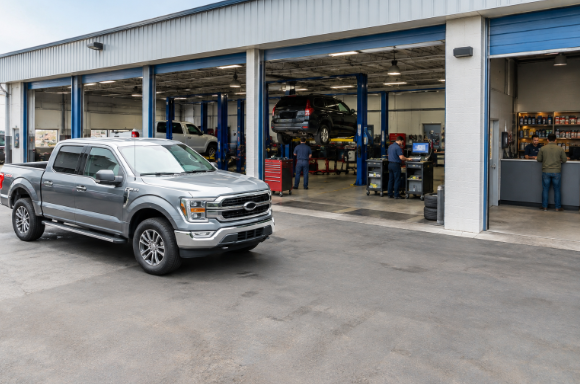
Pickup trucks are built for demanding work, long trips, towing, and daily driving, but a recurring mechanical or electrical problem can quickly become frustrating. Whether the issue is a warning light, hard shifting, a no-start condition, or a vibration that returns after service, a clear record helps turn scattered experiences into useful information.
Owners dealing with recurring concerns may need organized documentation for a dealer, an independent shop, a warranty provider, or another next step. For example, people researching lemon law claims involving the Sierra may find that complete repair orders and an accurate timeline are more useful than relying on memory alone.
Why Repeated Problems Matter
A return visit does not automatically mean a truck has one major defect. Normal maintenance, wear-related repairs, and unrelated breakdowns can occur over time. Still, a pattern deserves closer attention when the same symptom returns, especially after multiple repairs.
Consider a truck that intermittently will not start. One visit may result in a battery replacement, another may involve a starter inspection, and a later appointment may focus on wiring or a control module. Those repairs may each have been reasonable based on the test results available at the time, but the owner should preserve the full sequence. It can help the next technician look beyond the most recent repair and investigate the original complaint.
Common Problem Groups In Modern Pickup Trucks
Different makes, models, model years, engines, and configurations can behave differently. Grouping symptoms by system can nevertheless make a repair history easier to understand.
Engine, starting, and drivetrain concerns
- Hard starting, stalling, misfires, overheating, unusual oil use, or repeated engine warnings.
- Harsh shifting, delayed engagement, slipping, clunking, vibration, or an apparent loss of drive.
Steering, braking, and suspension concerns
- Pulling, wandering, shaking, uneven tire wear, or a noticeable change in steering effort.
- Grinding, pedal changes, brake warnings, pulling during braking, or a longer-than-expected stopping distance.
Electrical, climate, and emissions concerns
- Dead batteries, flickering lights, no-start conditions, sensor warnings, screen freezes, or intermittent accessory failures.
- Poor heating or cooling performance, unusual odors, emissions-related warnings, or reduced engine performance messages.
How To Build A Clear Repair Timeline
A concise timeline gives a technician or service adviser a more complete starting point than a general statement that the truck has “been in several times.” Create one entry for every event, even if no repair was made.
- Record the date and approximate mileage when the symptom first appeared.
- Describe the driving conditions, such as cold start, highway speed, towing, rain, stop-and-go traffic, or a steep grade.
- Write what happened immediately before, during, and after the problem.
- List each shop visit, diagnosis, repair, parts replacement, and stated result.
- Note when the symptom returned and whether it changed after the repair.
- Keep related towing, rental, rideshare, and transportation receipts with the same entry.
How To Check For Open Recalls
General searches can show that a recall affects some trucks, but they do not confirm whether a particular vehicle is included. The most useful check starts with the truck’s 17-character VIN, which is commonly found on the driver’s side of the windshield and may also appear on registration and insurance documents.
The federal VIN recall search can show unrepaired safety recalls associated with an individual vehicle. It can also provide broader information on recall, complaints, investigations, and manufacturer communications. Because recently announced campaigns may not yet include every affected VIN, checking again later is sensible. A dealer can also tell an owner whether manufacturer service campaigns or technical bulletins apply to the vehicle.
Records Every Truck Owner Should Save
Keep paper copies in a folder and digital copies in a secure location. Name files consistently, such as 2026-06-18_42100-miles_harsh-shift, so they remain easy to sort.
- Repair orders, invoices, estimates, and diagnostic reports.
- Maintenance receipts and warranty or service-contract documents.
- Photos of leaks, warning lights, dashboard messages, and damaged components.
- Short videos that safely capture noises, vibration, or intermittent warnings.
- Emails, text messages, appointment confirmations, and notes from phone calls.
How To Talk With A Repair Shop
Specific questions can keep a service discussion focused on observable facts. Ask what tests were performed, what result supported the diagnosis, whether the original symptom was reproduced, which parts were replaced, and what the technician expects the repair to correct. Also, request a completed repair order that includes the date, mileage, customer concern, diagnosis, work completed, and any warranty coverage for the repair.
When To Stop Driving The Truck
Some problems can wait for a scheduled appointment, while others may affect the safe control of the vehicle. Pull over in a safe location and seek professional assistance if the truck has a major brake change, loss of steering assist, repeated stalling in traffic, severe overheating, smoke, a fuel leak, a strong burning smell, sudden power loss, uncontrolled shaking, or a message directing the driver to stop.
How To Review Warranty Coverage
Manufacturer warranties, separately purchased service contracts, and repair-shop warranties are different forms of coverage. Review time and mileage limits, deductibles, exclusions, approval requirements, covered components, and restrictions on where repairs may be performed. The FTC explains that a manufacturer’s warranty and an optional auto service contract are not the same type of agreement, and that maintenance records can matter when coverage is requested through an auto warranty or service contract.
A Simple Final Checklist
- Write down the exact symptom rather than a general impression.
- Record the date, mileage, and conditions when it occurred.
- Take photos or a short video when it is safe to do so.
- Save every repair order, invoice, estimate, and written message.
- Check the VIN for open safety recalls.
- Ask what testing supported the diagnosis.
- Request written details about the work performed and warranty coverage.
- Stop driving when a symptom affects safety or vehicle control.
Conclusion
Repeated pickup truck problems are easier to manage when every event is documented in one place. A timeline can reveal patterns, a VIN search can identify open safety recalls, and complete repair orders can help a shop understand what has already been tested. Document the symptom carefully, communicate directly, preserve the records, and treat safety-related warnings as a priority.
