
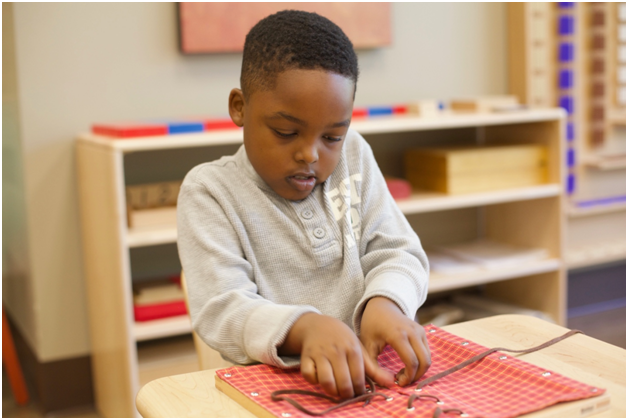
Fine motor development often happens in small, easily overlooked moments. A toddler turning the pages of a picture book, placing a lid on a container, or attempting to use a spoon is doing more than completing a simple task. Each movement involves coordination between the fingers, hands, eyes, and brain. With regular opportunities to practise these actions, children gradually gain the control needed for more complex activities, from drawing and dressing to early writing.
A thoughtfully planned Santa Clara Toddler Program can make these experiences part of the everyday classroom routine. Rather than treating fine motor practice as a separate lesson, educators can build it into familiar activities that give toddlers a meaningful reason to grasp, release, turn, sort, squeeze, and manipulate objects. This approach supports development while allowing children to learn at a comfortable pace.
What Fine Motor Skills Mean in Early Childhood
Fine motor skills involve the smaller muscles of the hands and fingers, working alongside visual attention and hand-eye coordination. Toddlers use these abilities when they pick up small objects, hold crayons, stack blocks, pull zippers, or manage simple classroom materials.
Development varies considerably at this age. One child may enjoy fitting puzzle pieces together, while another prefers turning pages or carrying objects between containers. Neither activity needs to look particularly advanced to be valuable. Repeated practice, growing confidence, and opportunities to try different movements are more important than producing a polished result.
Everyday Classroom Tasks That Strengthen Hand Control
Sorting, Transferring, and Organizing Materials
Simple sorting activities provide natural opportunities to practise grasping and releasing. Educators can invite toddlers to place large blocks into baskets, sort oversized toy animals by type, or transfer large fabric squares from one container to another.
These tasks encourage children to adjust their grip, coordinate their movements with what they see, and judge where an object belongs. Using familiar classroom materials also gives the activity a practical purpose rather than making it feel like an exercise.
For safety, materials should be appropriately sized for the age group, with small objects that could pose choking hazards kept out of reach.
Art Activities That Encourage Finger Movement
Art offers many ways to develop hand strength and control. Toddlers can make marks with chunky crayons, press washable paint onto paper with their fingers, or use large stickers with adult assistance. Play dough is another useful material: rolling, patting, squeezing, and pulling it apart all involve different hand movements.
The goal is exploration, not a finished picture. Educators can demonstrate a movement and allow children to experiment without correcting every mark or directing every step. This freedom helps build confidence and encourages independent decision-making.
Helping With Classroom Routines
Daily responsibilities are particularly effective because they connect fine motor practice with real experiences. A toddler might place a napkin on the table, put toys into a storage basket, turn a board-book page, or help pull up a loose clothing fastener.
These activities involve practical coordination while introducing children to classroom routines. They also create opportunities to practise persistence. A child who struggles to open a container may try a different hand position or ask for help, gradually learning how to approach a challenge.
Making Activities Appropriate for Different Developmental Stages
Not every toddler will approach a task in the same way. Some may use their whole hand to grasp an object, while others are beginning to use their fingertips for more precise movements. Educators should consider each child’s current abilities, interests, and level of comfort.
Useful adjustments include:
- Offering larger, easier-to-grip materials before introducing smaller tools.
- Providing stable surfaces and containers that do not slide easily.
- Demonstrating tasks slowly, then allowing children time to attempt them independently.
- Breaking challenging activities into manageable steps.
- Offering assistance when needed without taking over unnecessarily.
Short, repeated opportunities are often more productive than expecting toddlers to remain focused on one activity for an extended period.
Balancing Practice With Play and Independence
Fine motor development should not become a constant test of performance. Toddlers need time for movement, imaginative play, outdoor exploration, and rest. Classroom tasks are most effective when they complement these experiences rather than compete with them.
Adults can observe how children approach activities, notice emerging abilities, and introduce gentle variations when a task becomes familiar. If a child repeatedly avoids an activity or appears uncomfortable, educators can simplify it or offer another way to participate.
Families can also reinforce these skills through ordinary home routines, such as helping fold washcloths, turning pages together, or using child-sized utensils during meals. Consistency across familiar settings provides additional opportunities to practise.
Frequently Asked Questions
When should toddlers begin practising fine motor activities?
Fine motor development begins during infancy and continues throughout toddlerhood. Age-appropriate activities can be introduced as children show interest in reaching, grasping, releasing, and manipulating objects.
Should adults correct a toddler’s grip?
Not every developing grip needs correction. Educators can model comfortable ways to hold materials and provide suitable tools, while allowing hand control to develop naturally. Persistent difficulties with everyday tasks may warrant discussion with a pediatrician.
How often should children practise?
Fine motor opportunities can appear throughout the day. A few minutes spent drawing, sorting, turning pages, or helping with routines can provide meaningful practice without requiring a rigid schedule.
Everyday Experiences Build Lasting Foundations
Fine motor skills develop through repetition, curiosity, and purposeful movement. When toddlers participate in classroom tasks that have a clear and enjoyable purpose, they strengthen coordination while learning to contribute to their surroundings. Families interested in the school’s location and setting can also view Action Day Schools on Google Maps. Above all, patient guidance and age-appropriate opportunities allow children to build practical abilities at their own pace.
