
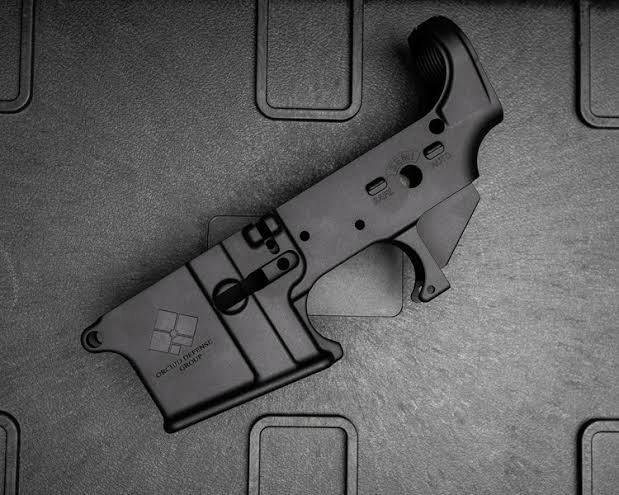
Anyone shopping for a new build eventually runs into the same debate: billet or forged. Both styles of AR-15 lower receivers have loyal followings, strong reputations, and plenty of misinformation floating around them. This guide breaks down how each type is made, how they perform, and how to decide which one belongs on your next rifle. Whether you are a first-time builder or comparing the top AR-15 lower receivers on the market for your fifth project, understanding the real differences between billet and forged will help you spend your money wisely.
What “Billet” and “Forged” Actually Mean
Before comparing performance, it helps to understand what these terms describe. They refer to the manufacturing process used to shape the raw aluminum into a finished lower receiver, not a brand or a quality tier by themselves.
Forged Lowers
Forging starts with a solid block of aluminum that is heated and then compressed under enormous pressure into a rough receiver shape using a die. That rough forging is then machined to its final dimensions. The compression process aligns the internal grain structure of the metal, which increases its strength and resistance to stress fractures.
Billet Lowers
Billet lowers start as a solid block of aluminum as well, but instead of being forged into shape, the entire receiver is carved out using CNC machining. There is no compression step, so the grain structure of the aluminum remains in its original state. This process allows for far more intricate designs since the machinist is not limited by the shape of a forging die.
Strength and Durability Comparison
This is the most debated topic in the billet versus forged conversation, and it is often misunderstood.
Forged receivers benefit from the grain alignment created during the forging process, which theoretically gives them an edge in resisting cracks and stress over time. This is part of why forged lowers have long been the standard for military and law enforcement rifles.
Billet receivers do not get that same grain alignment benefit, but modern CNC machining is precise enough that a well-designed billet lower is still more than strong enough for standard use. Independent stress testing has shown that both styles can handle the pressures of normal shooting without issue.
In practical terms:
- Forged lowers have a longer track record in demanding, high-round-count environments
- Billet lowers perform reliably under civilian range use, hunting, and most duty applications
- Catastrophic receiver failure is rare with either style when the rifle is built and maintained correctly
For the average shooter, the strength difference between a quality forged lower and a quality billet lower is not something you will notice in real-world use.
Appearance and Customization
This is where billet lowers really set themselves apart. Because they are carved from a solid block rather than shaped by a forging die, manufacturers can add design details that would be impossible with forging.
Common billet features include:
- Flared or beveled magazine wells for faster reloads
- Integrated trigger guards
- Sharp angular lines or unique geometric patterns
- Ambidextrous magazine releases and bolt catches built into the design
- Distinctive engraving or branding
Forged lowers, by contrast, tend to have a more traditional, rounded appearance since they are limited by the shape of the forging die. If you want your rifle to have a one-of-a-kind look, billet is usually the way to go.
Weight Differences
Weight is another area where the two styles can diverge, though it depends heavily on the specific design rather than the manufacturing method alone.
Some billet lowers are machined with extra material removed in non-structural areas, making them lighter than a comparable forged lower. Others are built with thicker walls for aesthetic reasons, which can make them heavier. Forged lowers are generally consistent in weight since they follow more standardized dimensions.
If weight is a priority for your build, check the manufacturer’s published specifications rather than assuming billet automatically means lighter or forged automatically means heavier.
Price Comparison
Cost is often the deciding factor for builders choosing between billet and forged.
Forged Lower Pricing
Forged lowers benefit from decades of established manufacturing infrastructure and high production volume. This keeps costs down, and you can find quality forged lowers from reputable brands at accessible price points.
Billet Lower Pricing
Billet lowers require more machining time and often more expensive raw material stock, which drives the price up. The intricate designs that make billet lowers visually distinctive also add to production costs. Expect to pay a noticeable premium over a comparable forged option.
If budget is your main concern, forged is typically the more economical choice without sacrificing reliability.
Compatibility Considerations
Both billet and forged lowers can be built to mil-spec dimensions, which means they should accept standard mil-spec upper receivers, buffer tubes, and parts kits. However, compatibility issues are more common with billet lowers because of their custom designs.
Before buying a billet lower, check for:
- Proprietary magazine well shapes that may not accept every magazine brand
- Non-standard takedown or pivot pin locations
- Matched upper receiver sets designed specifically for that billet lower
- Buffer tube compatibility, especially with unconventional grip or stock designs
Forged lowers are far less likely to introduce compatibility surprises since most manufacturers stick closely to mil-spec dimensions.
Which One Should You Choose
There is no universally correct answer, since the right choice depends on your priorities.
Choose a forged lower if you want:
- A proven, battle-tested design
- Lower cost without sacrificing reliability
- Guaranteed compatibility with mil-spec parts
- A more traditional appearance
Choose a billet lower if you want:
- A distinctive, custom look
- Integrated features like flared magwells or unique trigger guards
- A conversation piece build that stands out at the range
- You are willing to pay a premium and double-check compatibility with matched components
Many experienced builders end up owning both styles across different rifles, using forged lowers for workhorse builds and billet lowers for showcase or specialty projects.
What to Look for When Comparing Brands
Regardless of which style you choose, manufacturing quality varies significantly between brands. When researching the top AR-15 lower receivers on the market, look for:
- A clear description of the aluminum grade used, typically 7075-T6 or 6061-T6
- Consistent quality control and tight tolerances
- Positive, independently verified customer reviews
- A manufacturer warranty or guarantee
- Transparency about where and how the receiver is made
A reputable brand producing a forged lower will often outperform a poorly made billet lower, and vice versa. The manufacturing method matters, but so does the company standing behind the part.
FAQ
Is a billet or forged lower stronger? Forged lowers benefit from grain alignment during the forging process, which gives them a slight theoretical edge in stress resistance. In practice, a well-made billet lower is still strong enough for the vast majority of shooters.
Why are billet lowers more expensive than forged lowers? Billet lowers require more machining time, more raw material, and often more intricate designs, all of which add to production costs compared to the more streamlined forging process.
Do billet lowers fit standard AR-15 parts? Most billet lowers built to mil-spec dimensions will fit standard parts, but some custom designs use proprietary features that may require matched components. Always check compatibility before buying.
Are forged lowers heavier than billet lowers? Not necessarily. Weight depends on the specific design rather than the manufacturing method, so it is best to compare published specifications rather than assume one style is automatically lighter.
Which style is better for a first build? Forged lowers are often recommended for first-time builders because of their lower cost, proven reliability, and easy compatibility with standard mil-spec parts.
Can I mix a billet lower with a forged upper receiver? In most cases, yes, as long as both parts are built to mil-spec dimensions. If the billet lower has a custom design, check with the manufacturer to confirm upper receiver compatibility.
Final Thoughts
Both billet and forged lowers have earned their place in the AR-15 market, and neither one is objectively better in every situation. Forged lowers offer proven reliability and value, while billet lowers offer striking aesthetics and unique features for builders who want their rifle to stand out. When you compare the top AR-15 lower receivers on the market, focus less on the billet versus forged debate and more on the reputation of the manufacturer, the quality of the machining, and how well the part fits your specific build goals. Either style, sourced from a reputable brand, will give you a solid foundation for a rifle you can rely on for years to come.
