
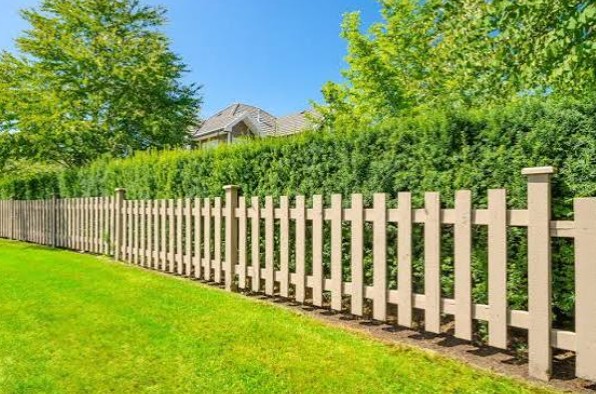
A fence around a Kingsport home, hillside lot, pasture, or garden should support the way the property is used every day. Northeast Tennessee properties often combine changing grades, wet-weather drainage concerns, wooded edges, outdoor living areas, and room for pets or livestock. Planning for those realities before choosing a material can prevent frustrating gate locations, weak containment, and unused space.
For homeowners and landowners comparing options from a fence company in Kingsport, TN, Backyard Borders Fence Company LLC offers useful context. The locally owned and operated company specializes in custom wood fences and provides free estimates for residential and farm fencing needs. Based in East Tennessee and serving the Kingsport, Tri-Cities, and surrounding Northeast Tennessee communities, Backyard Borders Fence Company brings hands-on familiarity with projects that range from neighborhood privacy fences to larger agricultural boundaries.
1. Start With the Fence’s Main Job
Write down the primary reason for the fence before comparing colors, panels, or posts. Common goals include backyard privacy, pet and child containment, livestock control, property definition, garden protection, security, pool-area separation, and curb appeal. A fence can serve several purposes, but every design makes tradeoffs. An open fence can maintain airflow and a view across rolling land, while a solid design may provide better privacy and help reduce a reactive dog’s view of passing people or animals.
2. Walk the Property Before Choosing Materials
Take a slow walk along the proposed fence line and make a basic sketch with measurements. Mark slopes, low spots, drainage paths, driveways, patios, sheds, air-conditioning equipment, mature trees, roots, existing fence sections, and utility-related structures. Also, identify the routes used by mowers, trailers, delivery vehicles, tractors, and other equipment. On a sloped East Tennessee lot, a layout that looks simple on paper may need stepped panels, racked sections, added posts, or a different route to follow the ground safely.
For rural properties, farm fencing design considerations include livestock species, topography, gates, lanes, existing infrastructure, and whether a fence is a perimeter boundary or an interior subdivision. These questions are valuable even on a small hobby farm because access and animal movement are part of the fence’s real workload.
3. Match the Design to Pets and Children
Height matters, but it is only one part of containment. Small dogs may need narrower openings, while diggers need limited clearance beneath the fence. Athletic dogs may need more height and surfaces without easy climbing footholds. Every gate should have dependable hardware, a secure latch, and posts capable of carrying the gate’s weight without sagging.
Photorealistic golden-hour view of a thoughtfully planned Northeast Tennessee property with a custom wood fence following a gentle hillside, a secure gate, mature trees, and a calm dog in the backyard; warm directional sunlight, soft shadows, natural textures, and a welcoming atmospheric mood.
A calm older dog that stays close to the house may do well with a modest open enclosure. A young, energetic dog that jumps, digs, or becomes overstimulated by traffic may need a taller fence, tighter lower spacing, and solid sections near the busiest side of the yard. For children, latch placement, gate swing direction, and any pool-specific requirements deserve the same careful attention.
4. Plan Livestock Fencing Around Animal Behavior
Horses, cattle, goats, sheep, chickens, and guardian dogs do not put the same pressure on a fence. The appropriate design depends on animal size, visibility needs, climbing or leaning behavior, predator exposure, pasture rotation, and the amount of equipment that must pass through. Woven wire, high-tensile wire, wood board fencing, electric components, and other agricultural systems all have uses when selected for the specific animal and location.
In many farm plans, permanent fencing establishes the outer boundary while temporary or movable interior fencing helps divide grazing areas. Regular inspection is important, especially after storms, falling limbs, or livestock pressure. Keep gates and lanes practical for feeding, mowing, manure management, and moving animals without turning a routine chore into a difficult maneuver.
5. Compare Common Fence Materials
Wood
- Works well for privacy, custom layouts, decorative boundaries, and visible livestock areas.
- Individual boards or rails can often be repaired without replacing an entire fence line.
- May need periodic staining, sealing, or replacement of weathered components.
Vinyl
- Offers a low-maintenance choice for privacy and decorative residential boundaries.
- Is available in solid and open styles.
- Can require replacement parts if a panel or component is damaged.
Chain Link
- Provides a practical enclosure for pets, large yards, and utility areas.
- Allows visibility and airflow.
- Provides limited privacy unless screening or landscaping is added.
Wire and Agricultural Fencing
- Can be useful for acreage, pastures, cross-fencing, and livestock containment.
- May include woven wire, high-tensile wire, barbed wire, or electric components, depending on the application.
- Needs correct tension, spacing, grounding where applicable, and ongoing inspection.
6. Use Different Fence Styles in Different Zones
One material around the entire boundary is not always the best answer. A mixed plan may place a taller privacy fence behind the home, an open style near the front yard, a secure driveway gate at the entrance, wire fencing around pasture ground, and a smaller enclosure around a vegetable garden or play area. This approach can preserve views where they matter, direct the budget toward high-priority areas, and keep access workable.
7. Treat Gates as Working Parts of the Fence
Gates deserve planning before installation, not after the fence line is finished. Decide whether the property needs walk gates, vehicle gates, sliding gates, or wider agricultural openings. Measure the equipment that must pass through, including mowers, trailers, trucks, tractors, or emergency vehicles. Consider the swing direction, clearance on both sides, hinge strength, latch height, and the support needed beneath a heavy gate. In rainy periods, drainage and durable footing near a frequently used gate can also help reduce muddy, worn openings.
8. Confirm Lines, Rules, and Utility Locations
Before finalizing a layout, review the survey or property records, easements, setbacks, HOA standards, and local requirements that may affect height, placement, pools, or corner-lot visibility. Do not assume an old fence marks the legal boundary. If the location is unclear, resolve that question before materials are ordered.
Fence posts require excavation, so contact Tennessee 811 before digging. Tennessee law requires advance notice for excavation, and the locate process helps identify member utility facilities in the proposed work area. Markings do not necessarily identify privately owned lines, so property owners should also consider irrigation, septic, lighting, and other private systems that may not be included.
Simple Fence Planning Checklist
- Identify the fence’s primary job.
- Walk and measure the property, noting grade, drainage, obstacles, and access routes.
- List the people, pets, livestock, and equipment that will use the space.
- Choose privacy, visibility, height, spacing, and gate needs for each zone.
- Verify property lines, easements, HOA rules, and applicable local requirements.
- Arrange utility locating before excavation begins.
- Compare upkeep, repair needs, and suitability of each material.
- Request written estimates that identify materials, gates, site work, removal, cleanup, and warranty terms.
Common Questions
What is the best fence for privacy?
Solid wood and vinyl are common privacy choices. Placement, height, board spacing, nearby windows, landscaping, and changes in grade all influence the result.
What is the best fence for dogs?
The best choice depends on the dog’s size, jumping ability, digging habits, and response to outside activity. Bottom clearance and gate security can be as important as the material itself.
Should the same fence go around the entire property?
Not necessarily. A backyard, driveway, pasture, garden, and front boundary can each have different needs for privacy, visibility, access, and containment.
Build for Daily Use
The best fence is one that fits the property’s real routine. A thoughtful Kingsport-area plan can improve privacy, animal safety, curb appeal, access, and long-term usability without forcing every corner of the property into the same design.
