
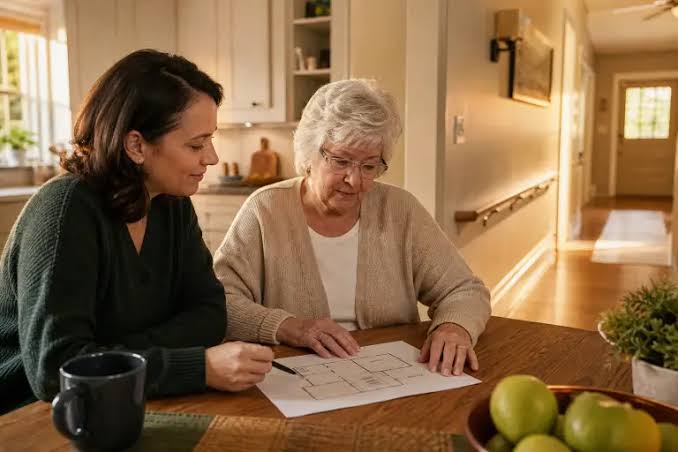
Living alone can be fulfilling and independent, but it can also make an ordinary problem harder to manage. A fall, a dead phone battery, a medication mix-up, or an unexpected storm may become more serious when no one is nearby. A practical plan gives the older adult and the people who care about them a clear starting point. Begin with a conversation, not assumptions. Ask what support would feel useful and respectful, whether that means regular calls, a nearby keyholder, or a medical care alert that can help a person request assistance when they cannot reach a phone. The goal is not constant supervision. It is making sure help can be reached when it is truly needed.
Start With A Personal Risk Review
An effective plan reflects the person’s actual routine, health needs, home, and support network. Age alone does not determine what help someone needs. Review mobility and balance, medication routines, memory concerns, cooking habits, transportation, phone access, and whether family, friends, neighbors, or building staff are close enough to help. Walk through a typical day together. Consider where the person spends their time, which tasks feel difficult, and what could happen if they were unable to answer the phone for several hours. This discussion can identify small changes that prevent larger problems later.
Identify Likely Emergency Scenarios
Specific plans are easier to follow than general promises to “be careful.” Write down the situations most likely to require a response, such as a fall, sudden weakness, chest pain, severe breathing trouble, a medication mistake, smoke or carbon monoxide alarms, a power outage, a missed check-in, or being locked out. Make the emergency threshold clear. Chest pain, severe trouble breathing, signs of stroke, loss of consciousness, or immediate danger from fire should prompt a call to 911 in the United States. If a person has fallen, avoid moving them unless they are in immediate danger; then seek appropriate medical help.
Create A Three-Level Contact List
A contact list works best when everyone has a defined role. Keep a printed copy near the phone, another in an emergency folder, and a current version on a mobile phone.
- Primary contact: A trusted person who can answer quickly and make decisions with the older adult.
- Local backup: A nearby neighbor, friend, relative, or building manager who may be able to check in person.
- Professional help: Emergency services, healthcare providers, the pharmacy, utility companies, and relevant local support services.
Include full names, phone numbers, addresses, preferred contact methods, and practical access details. If someone holds a spare key, note where it is kept and confirm that arrangement regularly.
Write Simple If-Then Instructions
Short directions reduce uncertainty in the moment. Avoid long paragraphs or vague language. For example:
- If chest pain or severe breathing trouble occurs, call 911 immediately.
- If a check-in is missed, call, text, review known appointments, then contact the local backup person.
- If medication is missed or doubled, call the pharmacist or healthcare professional for instructions.
- If a smoke or carbon monoxide alarm sounds, leave the home if it is safe to do so and call emergency services.
- If the power goes out, locate flashlights, preserve phone battery power, and contact support if medical equipment or safe temperatures are a concern.
Improve Safety Room By Room
Entryways, Hallways, And Bedrooms
Clear walking paths, remove loose rugs and clutter, and improve lighting near doors, stairs, and the route to the bathroom. Keep keys, a charged phone, glasses, and mobility aids within easy reach. A night light between the bed and the bathroom can make nighttime movement easier.
Bathroom And Kitchen
Use non-slip surfaces and install grab bars where they are appropriate. Store daily items where they can be reached without climbing or deep bending. In the kitchen, use timers, keep pot handles turned inward, and place heavier items around waist level. The CDC’s fall prevention guidance also emphasizes practical steps to reduce fall risk at home.
Plan For Missed Check-Ins
One unanswered call does not always mean an emergency. The response should fit the person’s normal habits and any known plans. Start by calling again, sending a message, and checking whether they had an appointment, errand, or visit scheduled. If concern remains, contact the local backup person or building staff. Request a welfare check when there is a genuine reason to believe the person may be unsafe.
Choose Technology With Care
Helpful tools may include phones with emergency contacts, two-way communication devices, medication reminders, smart smoke or carbon monoxide alarms, fall-detection features, and consent-based location sharing. Choose tools that the person can comfortably use and remember to charge. Technology should strengthen a human support network, not replace it.
Prepare For Weather, Outages, And Medical Needs
Keep water, shelf-stable food, flashlights, batteries, a charged power bank, blankets or cooling supplies, first-aid items, and copies of important contacts available. During extreme heat, older adults and people with certain health conditions may face added risks, so identify nearby cool places and local assistance options before an emergency develops. Preparing for extreme heat can help households think through cooling, communication, and emergency steps.
Create a simple medical information sheet that includes the person’s full name, date of birth, current medications and doses, allergies, major conditions, healthcare provider, pharmacy, insurance details, and emergency contacts. Share it only with trusted people who may need it during an emergency, and update it whenever medications or providers change.
Practice And Review The Plan
A plan should work in real life, not just look complete on paper. On a calm day, test phone chargers, alarms, emergency buttons, locks, spare keys, and contact numbers. Make sure backup contacts understand what they have agreed to do. Review the plan every 3 months and after a move, a health change, a new medication, or a change in a support person’s availability.
Conclusion
A strong emergency plan does not need to be complicated. It needs current contacts, clear actions, safer surroundings, ready medical information, and a respectful approach to personal choice. It should also be easy to understand and accessible when someone is stressed, tired, or dealing with an unexpected situation. Including emergency supplies, backup contacts, medication details, and instructions for common situations can make the plan easier to follow when quick decisions are needed. When older adults help shape the plan, it can provide meaningful protection while preserving the independence that matters most. Reviewing the plan regularly can also help keep information accurate as phone numbers, medications, routines, or support needs change.
