
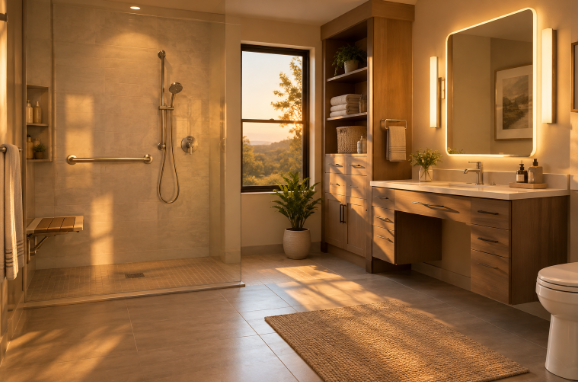
A bathroom remodel should make everyday routines easier, safer, and less demanding to maintain. Before comparing tile samples or faucet finishes, identify obstacles in the existing room, such as a tall tub wall, dim mirror lighting, limited storage, slippery flooring, or lingering moisture after a shower. Experienced bathroom contractors can help translate those concerns into a practical plan, but homeowners should begin with clear goals of their own. In 2026, a well-planned bathroom is less about copying a short-lived trend and more about creating a comfortable room that supports daily life. The strongest plans balance appearance with durable construction, straightforward cleaning, and features that remain useful for guests, children, adults, and anyone recovering from an injury.
Why Bathroom Planning Looks Different
Homeowners increasingly expect bathrooms to do more than look updated. A remodel should improve how the room functions during rushed mornings, nighttime visits, bathing routines, and cleaning days. Permanent elements, including flooring, shower walls, ventilation, and cabinetry, deserve the most careful attention. Style can still play a role through paint, mirrors, towels, and hardware that are easier to replace later.
Start With a Room and Routine Check
Spend several days observing the bathroom before finalizing a design. Measure the room, door swing, vanity, toilet, shower or tub, and the clear walking areas between them. Watch where water collects after showers, where towels pile up, and whether cabinet doors or drawers interfere with movement.
- List frustrations that happen often, not just occasional annoyances.
- Identify repairs that cannot wait, including leaks, soft flooring, moldy caulk, or damaged walls.
- Separate must-have improvements from cosmetic upgrades.
- Consider who uses the room now and who may use it in the coming years.
Review the Layout Before Choosing Finishes
New finishes cannot solve an awkward floor plan. Review how people enter, turn, dry off, reach for towels, and use the sink without bumping into fixtures. In a compact bathroom, a smaller vanity, a pocket door where appropriate, or a revised door swing may create more useful open space than a decorative upgrade would.
Layout Questions to Ask
- Can the door open without striking a fixture?
- Can drawers and cabinet doors open fully?
- Is there a dry, clear place to step out of the shower?
- Are towels and daily toiletries close to where they are used?
- Would a different tub, shower, vanity, or door arrangement improve movement?
Choose a Safer Shower Setup
A low-threshold, walk-in, or curbless shower can reduce the need to step over a high tub wall, but the right choice depends on the room structure, drainage, waterproofing approach, and household needs. Shower controls should be reachable before stepping into the spray. A handheld showerhead on an adjustable bar can make rinsing, cleaning, and seated bathing easier. If a bench, fold-down seat, or grab bar may be useful, plan for it before walls are closed. Secure grab bars require proper support behind the finished wall, and a low-entry shower needs careful floor slope, drainage, and water-containment details.
Pick Materials That Need Less Daily Care
Low-maintenance materials do not eliminate the need for cleaning, but they can reduce the need for difficult scrubbing and simplify routine care. Larger-format tile can mean fewer grout joints, while solid shower wall panels can reduce the amount of grout in a wet area. Ask how each proposed surface handles moisture, stains, cleaning products, sealing, and repair.
- Choose flooring with dependable wet traction rather than a highly polished surface.
- Ask whether natural stone needs periodic sealing and specialized cleaners.
- Request written care instructions for shower walls, flooring, counters, and fixtures.
- Use finishes that hide water spots reasonably well in high-use areas.
Improve Ventilation and Moisture Control
Moisture management belongs in the construction plan, not on the final punch list. Confirm where the exhaust fan vents, whether it is appropriate for the room, and whether a timer or humidity control would encourage consistent use. Repair plumbing leaks before new walls or floors conceal them, and ask how waterproofing will protect corners, niches, benches, door openings, and floor transitions.
Layer the Lighting for Better Visibility
One ceiling fixture rarely provides enough light for the whole bathroom. Combine general overhead lighting with even mirror-area lighting for grooming, then consider properly rated lighting in wet locations when needed. A modest night light near the floor can help with overnight movement without requiring a bright overhead light. Limit glare by balancing reflective surfaces with softer finishes and thoughtful fixture placement.
Add Safety Features That Look Natural
Safety features can fit nearly any design style. Slip-resistant flooring, lever-style controls, clear paths, supportive seating, and a handheld showerhead make the room easier to use without feeling clinical. The addition of grab bars near tubs, showers, and toilets is also part of common home fall-prevention guidance, particularly for older adults.
Plan Storage Around Real Habits
Good storage reduces counter clutter, simplifies cleaning, and keeps frequently used items within reach. Use drawer dividers for small products, place towel storage near the bathing area, and add a shower niche or shelf for products that would otherwise sit on the floor. Keep cleaning chemicals secured away from children and pets, while leaving enough clear counter space for everyday routines.
Set a Practical Remodeling Budget
A useful estimate accounts for more than fixtures and finishes. It should address demolition, disposal, plumbing, electrical work, ventilation, waterproofing, subfloor repairs, permits, cleanup, and warranty terms. Keep a reserve for hidden damage or outdated plumbing discovered after demolition. The Federal Trade Commission recommends written estimates that describe the work, materials, timing, and price, which makes it easier to compare proposals fairly.
Use a Simple Remodeling Process
- Document the current bathroom’s problems and priorities.
- Set goals for safety, comfort, maintenance, storage, and appearance.
- Confirm the layout and shower approach before selecting finishes.
- Compare materials by upkeep, moisture resistance, and expected service life.
- Request detailed written estimates and confirm who handles permits.
- Review fixture locations, cleanup plans, payment terms, and scheduling before demolition.
- Complete a final walkthrough before accepting the finished project.
Questions to Ask Before Hiring a Remodeler
- Who handles permits and inspections?
- Which materials, fixtures, and labor items are included in the price?
- How will the home be protected from dust and debris?
- How long will the bathroom be unavailable?
- How will hidden water damage or structural issues be handled?
- What labor and material warranties apply?
- Who handles service concerns after completion?
Common Bathroom Remodeling Questions
Is a Walk-In Shower Always Better Than a Bathtub?
No. The best option depends on available space, bathing preferences, young children, mobility needs, and plans. A shower may improve access, while a tub may remain important for the household.
Can a Small Bathroom Be Made Safer?
Yes. Better lighting, clearer floor space, thoughtful storage, a compact vanity, and a more usable shower layout can make a small bathroom significantly easier to use.
Do Low-Maintenance Materials Eliminate Cleaning?
No. Every bathroom needs regular cleaning, ventilation, seal checks, and prompt attention to leaks. The goal is to reduce unnecessary upkeep, not eliminate basic care.
Should Future Accessibility Be Planned Now?
When practical, yes. Reinforced walls, lever controls, clear circulation space, and a lower-entry shower can support future needs while still looking appropriate for the home today.
Conclusion
A safer, low-maintenance bathroom begins with observation and practical decisions. By addressing layout, shower access, moisture control, lighting, storage, and durable materials before focusing on decorative details, homeowners can create a room that works comfortably today and remains useful for years to come. It is also helpful to consider how different household members use the space, where clutter tends to collect, and which features may become more important as needs change. Proper ventilation, secure fixtures, appropriate flooring, and easy-to-reach storage can make everyday routines more manageable while reducing avoidable maintenance concerns. Homeowners should also consider the existing plumbing, drainage, waterproofing, and electrical systems before construction begins, as these systems can affect both the project scope and the overall budget. With thoughtful planning and realistic priorities, a bathroom remodel can balance safety, comfort, appearance, and long-term usability without adding unnecessary complexity.
