
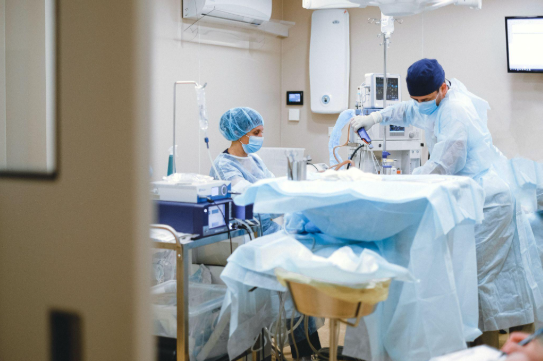
Hip pain has a sneaky way of shrinking your world. The stairs feel steeper. Your walks get cut short. And a full night’s sleep? That starts to feel like something from your past. If you’ve been hunting for a way to feel like yourself again, chances are you’ve bumped into a newer surgical option that’s changing how hip replacements get done: robotic assistance.
Before we go further, one quick myth to bust. This isn’t about a robot doing surgery on its own. It’s a tool, plain and simple, one that gives surgeons a sharper way to plan and carry out the operation. Once you understand how it works and what it could mean for your recovery, that consultation with your surgeon becomes a lot less intimidating.
How does robotic technology improve hip replacement surgery?
A traditional hip replacement rides on a surgeon’s experience and trained eye. Robotic-assisted systems add something on top of that. They pull in real-time imaging and computer-guided mapping to study your exact anatomy before anyone makes a single cut.
Then the surgery begins, and that data does its job. It guides implant placement with an accuracy that’s tough to hit by hand alone. Your surgeon never steps back. They stay in charge from start to finish, with the robotic arm acting as a steady extension of their hands, keeping every cut and placement true to the plan built just for you.
What are the benefits for patients?
Precision isn’t an abstract perk. You feel it. Line up the implant well, and the joint tends to move the way it’s supposed to, which takes pressure off the surrounding muscle and tissue. A lot of patients also deal with less soft tissue damage during the operation, and that can shorten and smooth out recovery.
The upsides don’t stop there. Robotic assistance has been tied to lower complication rates and, in some cases, less risk of infection, mostly because the whole procedure runs more consistently. Implants that sit correctly may also wear better over the years, which can cut the chance of needing revision surgery later. For anyone weighing an option like robotic anterior hip replacement, that added accuracy often becomes the deciding factor.
What happens during the procedure?
It starts before you ever reach the operating table. Your medical team takes imaging scans and turns them into a personalised 3D model of your hip joint. That model drives the plan, helping your surgeon lock in the right size, angle, and position for your new implant.
On the day itself, the robotic arm helps bring that plan to life, tweaking things in real time as fresh data comes in. Timing-wise, expect something close to a traditional hip replacement. The usual anesthesia and safety protocols stay in place throughout.
What does recovery look like?
Most people spend one to three days in the hospital, though your health and the hospital’s routine can shift that. Physical therapy usually kicks off pretty quickly, nudging you back toward strength and movement bit by bit.
Light daily activities often return within a few weeks. Fuller recovery, including higher-impact stuff, tends to land in the three-to-six-month range. Pain gets managed through medication paired with guided movement, and quite a few robotic-assisted patients mention their recovery felt smoother than they’d braced for.
Are there any risks or limitations?
No surgery comes with zero risk, and this one’s no different. Complications stay rare, but infection, blood clots, and implant trouble can still crop up, same as with the traditional route. Certain bone conditions or a history of hip surgery might rule you out, so a real conversation with your surgeon is worth having.
Cost deserves a mention too. Robotic-assisted procedures can run more, so ring your insurance provider about coverage before you sign anything.
Making the right choice for your hip health
Robotic-assisted hip replacement pulls together precision, safety, and solid recovery odds. Like any big surgery, the best outcomes come from frank talks with your orthopedic surgeon about your history. But also your needs, and what you actually want out of daily life. Get clear on your options now, and a stronger, more mobile tomorrow feels a lot closer.
