
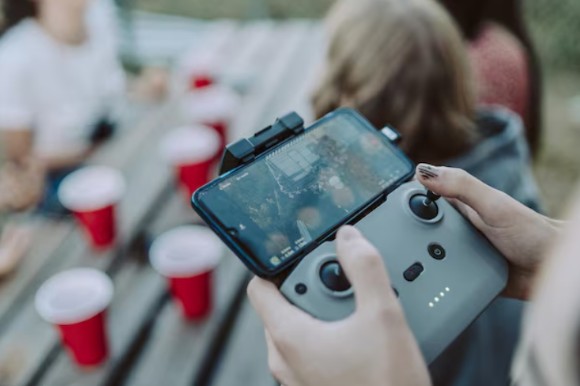
Mobile gaming has become one of the biggest parts of the gaming industry. What started as simple games designed to pass the time has turned into an experience that can compete with traditional gaming consoles. Today’s smartphones are powerful enough to run detailed graphics, large open worlds, and multiplayer games that were once only possible on PCs and consoles. As mobile games continue to improve, many players are looking for better ways to control them. This is where phone controllers have become a game changer.
Phone controller are no longer just optional accessories for gaming enthusiasts. They have become practical tools that improve comfort, accuracy, and overall gameplay. Whether someone enjoys racing games, first-person shooters, action adventures, or sports titles, using a dedicated controller creates a smoother and more enjoyable experience. As mobile technology continues to advance, phone controllers are helping bridge the gap between handheld gaming and console-quality performance.
How Mobile Gaming Has Changed Over the Years
The mobile gaming industry has experienced incredible growth over the past decade. Early mobile games focused on simple gameplay with basic graphics because phones had limited hardware. Most games were designed for short play sessions and relied entirely on touchscreen controls.
As smartphones became faster and more capable, developers started creating larger and more detailed games. Better processors, improved graphics chips, higher refresh rate displays, and faster internet connections allowed mobile devices to support games with realistic visuals and online multiplayer features.
Today, mobile players can enjoy battle royale games, role-playing adventures, sports simulations, racing titles, and strategy games that offer experiences similar to those found on dedicated gaming systems. However, while mobile hardware has improved dramatically, touchscreen controls still present challenges for many players. Phone controllers solve this problem by providing the familiar feel of traditional gaming controls without sacrificing the convenience of mobile gaming.
Why Touchscreen Controls Have Their Limits
Touchscreens work well for simple games, but they are not always ideal for fast-paced gameplay. Virtual buttons have no physical feedback, making it difficult to know if an input has been registered. During intense matches, players may accidentally press the wrong area of the screen or lose control because their fingers block part of the display.
These issues become more noticeable in games that require quick reactions and precise movement. A small mistake can affect aiming, movement, or timing, especially in competitive games where every second matters.
Phone controllers eliminate many of these frustrations. Physical buttons, analogue sticks, and triggers allow players to build muscle memory, making movements feel more accurate and consistent. Instead of searching for virtual controls on the screen, players can focus entirely on the game itself.
A Better Way to Experience Mobile Games
One of the biggest advantages of using phone controllers is the improvement in gameplay quality. The layout feels familiar to anyone who has previously used a console controller, making the transition easy for experienced gamers.
Analogue sticks provide smooth movement and better camera control, while shoulder buttons and triggers make actions feel faster and more natural. This becomes especially useful in shooting games where aiming and movement need to happen at the same time.
Racing games also benefit from physical controls because players can steer more accurately and maintain better control through sharp turns. Sports games become more responsive, while adventure titles feel easier to explore thanks to improved movement and camera controls.
These improvements help players enjoy games the way developers intended, without constantly adjusting to the limitations of touchscreen controls.
Comfort Makes a Big Difference
Comfort plays an important role during long gaming sessions. Holding a smartphone for extended periods while stretching thumbs across the screen can become uncomfortable. Larger phones may also be difficult to grip securely, especially during action-heavy games.
Phone controllers are designed with ergonomics in mind. Most feature comfortable handles, balanced weight, and button placement that reduces strain on the hands. This allows players to enjoy longer gaming sessions without feeling as much fatigue.
Many controllers also securely hold the smartphone in place, creating a setup that feels similar to using a portable gaming console. This makes gaming more comfortable whether someone is relaxing at home or playing while travelling.
Wide Compatibility Across Modern Devices
One reason phone controllers continue to grow in popularity is their flexibility. Many models support both Android and iOS devices, allowing players to switch between different smartphones without replacing their controller.
Manufacturers design adjustable grips that fit various phone sizes, making them compatible with both compact devices and larger smartphones. Some controllers connect through Bluetooth, while others use USB-C or Lightning connections for lower input delay.
Many cloud gaming platforms and game streaming services also support controllers. Players can stream console or PC games directly to their phones while using a familiar controller layout, creating an experience that feels surprisingly close to playing on traditional gaming hardware.
As more developers continue adding controller support to their games, compatibility continues to improve across the mobile gaming market.
The Growing Role of Phone Controllers in Competitive Gaming
Competitive mobile gaming has expanded rapidly over the past several years. Professional tournaments now attract millions of viewers worldwide, with skilled players competing for significant prize pools.
In these competitive environments, precision and consistency are extremely important. Small improvements in control can make a noticeable difference during high-pressure matches. Phone controllers provide faster and more reliable inputs than touch controls in many supported games, allowing players to react more confidently.
Many players who move from console gaming to mobile platforms also find controllers more familiar. Instead of learning entirely new touchscreen controls, they can continue using skills they have already developed over years of gaming.
Although not every competitive game allows controller support, those that do often provide a more comfortable and consistent experience for many players.
How Developers Are Supporting Controller Gaming
Game developers recognise that many players prefer physical controls. Because of this, more games now include built-in controller support from launch.
Menus automatically adjust to controller navigation, button prompts change depending on the connected device, and gameplay feels smoother because developers design the controls with physical buttons in mind.
This support also benefits cloud gaming services, allowing players to enjoy larger game libraries without purchasing dedicated gaming hardware. As more developers embrace controller compatibility, players have more choices than ever before.
The growing partnership between controller manufacturers and game developers continues to improve the overall mobile gaming experience.
Current Challenges That Still Exist
Although phone controllers offer many advantages, they are not perfect. Some mobile games still only support touchscreen controls because developers choose not to include controller compatibility. In these cases, owning a controller may not improve the gaming experience.
Battery life can also become a concern for wireless controllers, especially during long gaming sessions. While rechargeable batteries solve much of this problem, players still need to remember to keep their controllers charged.
Price is another factor. Premium phone controllers often include advanced features such as programmable buttons, better build quality, and lower input delay, but these improvements usually come with higher costs. Casual gamers may find it difficult to justify the investment if they only play occasionally.
Despite these challenges, controller technology continues to improve each year, making them more reliable, affordable, and widely supported.
What the Future Holds for Phone Controllers
The future looks promising for phone controllers as mobile gaming continues to grow. Manufacturers are constantly developing new features that improve both comfort and performance.
Improved haptic feedback could make players feel different textures, impacts, and environmental effects more realistically. Adaptive triggers may become more common, giving games additional depth by changing trigger resistance depending on in-game actions.
Artificial intelligence could also play a role by automatically adjusting sensitivity settings based on a player’s habits. Better battery technology, lighter materials, and stronger wireless connections will likely make controllers even more convenient to use.
As cloud gaming, augmented reality, and virtual reality continue developing, phone controllers may evolve alongside these technologies, offering new ways for players to interact with games beyond traditional button presses.
Conclusion
Phone controllers have transformed mobile gaming by giving players greater control, improved comfort, and a more immersive experience. They solve many of the limitations of touchscreen gaming while bringing console-style controls to smartphones. From casual players enjoying their favourite games at home to competitive gamers seeking better performance, these devices continue to play an important role in the evolution of mobile gaming.
As smartphones become even more powerful and developers continue supporting controller-compatible games, phone controllers are likely to become a standard part of the mobile gaming experience. Their combination of comfort, precision, and versatility ensures they will remain valuable accessories for players who want to get the most out of every gaming session. The future of mobile gaming is becoming more exciting every year, and phone controllers will continue to help shape that future.
