
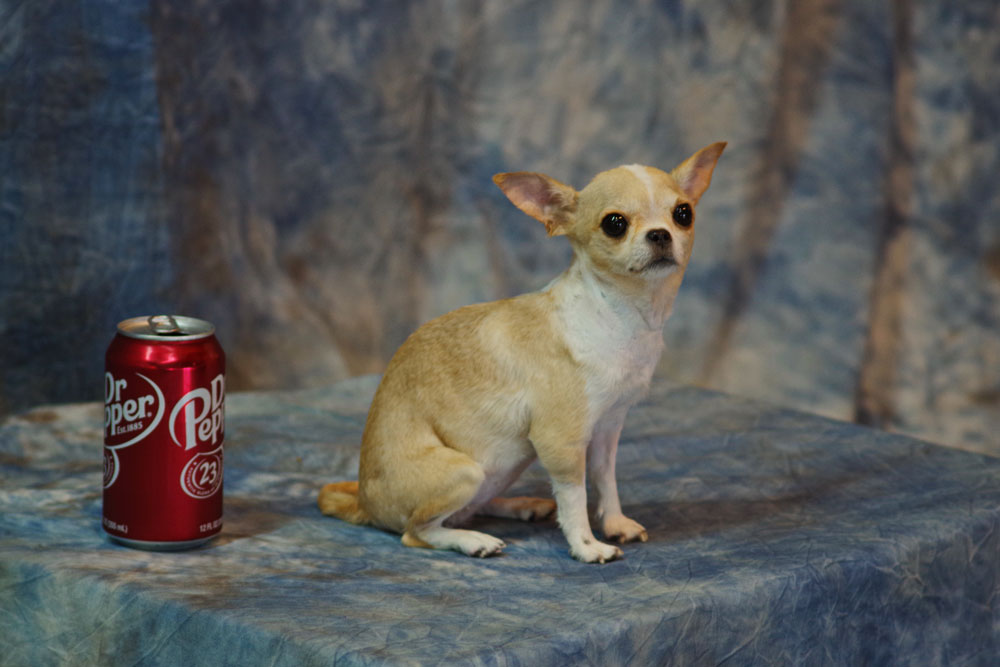
Losing a beloved pet can be deeply emotional, especially when that animal has been part of the family for many years. Some pet owners choose traditional memorial options such as cremation, burial, photographs, or keepsakes, while others want a more physical way to preserve their companion’s appearance. For those families, pet taxidermy services can provide a highly personalized memorial.
Pet taxidermy involves carefully preserving and reconstructing a deceased animal so that it resembles the pet as closely as possible. The process may include skin preservation, mounting, sculpting, grooming, posing, and detailed finishing work. Understanding what these services include can help pet owners decide whether taxidermy is the right memorial option for them.
What Is Pet Taxidermy?
Pet taxidermy is the preservation and mounting of a deceased companion animal using specialized taxidermy techniques. Unlike general wildlife taxidermy, which often focuses on recreating a species in a natural pose, pet taxidermy typically places greater emphasis on reproducing the unique appearance of one specific animal.
The goal is often to capture familiar characteristics such as facial features, fur patterns, ear position, posture, and overall expression. Photographs of the pet while it was alive are especially helpful because they give the taxidermist a visual reference for these details.
Pet taxidermy may be performed on animals such as:
- Dogs
- Cats
- Rabbits
- Birds
- Ferrets
- Guinea pigs
- Reptiles
- Other companion animals
Not every pet will be a suitable candidate for traditional taxidermy, so a professional evaluation is usually necessary before work begins.
What Happens During the Initial Consultation?
The process usually starts with a conversation between the pet owner and the taxidermist. During this consultation, the owner can explain what they want the finished memorial to look like and share photographs that show the pet’s appearance during life.
The taxidermist may ask questions about the pet’s usual posture, facial expression, ear placement, and favorite resting positions. These details help create a more recognizable finished result.
Owners may also discuss practical considerations such as:
- Desired pose
- Display location
- Timeline
- Cost
- Size of the finished mount
- Type of base or display
- Special markings to reproduce
- Pickup or transportation arrangements
The consultation is also a good time to ask how the taxidermist handles preservation, identification, storage, and communication throughout the project.
How Is the Pet Prepared for Taxidermy?
Preparation is one of the most important stages of pet taxidermy. Once the pet is received, the taxidermist carefully evaluates the condition of the body, skin, coat, and other physical features.
The skin is generally removed with great care so it can be preserved separately. Remaining tissue and fat must be cleaned from the hide because untreated biological material can interfere with long-term preservation.
The preparation process may include:
- Skinning
- Cleaning the hide
- Removing excess tissue
- Preserving delicate areas
- Measuring the body
- Documenting markings
- Preparing the skin for tanning
Precision during this stage can have a major effect on the final appearance. Damage to the skin or fur may be difficult to correct later, which is why professional handling is so important.
What Role Does Tanning Play?
Tanning is used to stabilize and preserve the animal’s skin. Without this step, the hide would eventually deteriorate because untreated skin contains proteins and moisture that naturally break down.
During tanning, the skin is treated with preservation solutions that help make it durable and resistant to decomposition. Once properly tanned, the hide becomes more suitable for mounting over a prepared form.
The tanning method may vary depending on the species, skin thickness, coat type, and the taxidermist’s preferred technique. Proper tanning can help reduce problems such as hair loss, odor, stiffness, and deterioration over time.
How Is the Pet’s Body Shape Recreated?
After the skin is prepared, the taxidermist creates or modifies a body form. In traditional taxidermy, the preserved skin is placed over this form rather than retaining the entire original body.
The form must be carefully shaped so that it reflects the pet’s anatomy and proportions. Commercial forms may be modified, or a custom form may be sculpted when necessary.
Measurements taken before preparation are especially important during this stage. The taxidermist may use body length, chest circumference, limb dimensions, head shape, and photographs to help recreate the animal accurately.
A well-fitted form helps prevent the finished pet from looking too large, too thin, too stiff, or anatomically unnatural.
Can Owners Choose Their Pet’s Pose?
In many cases, yes. Pose selection is an important part of pet taxidermy because it can greatly affect how familiar and comforting the finished memorial appears.
Some owners prefer a natural resting pose, while others may want the pet sitting upright or lying in a position it commonly used at home. The taxidermist can explain which poses are practical based on the animal’s condition, anatomy, and available reference materials.
Popular pose choices may include:
- Sleeping
- Lying down
- Sitting
- Curled up
- Resting with the head raised
- Standing in a relaxed position
Providing several clear photographs can help the taxidermist understand the pet’s typical body language.
How Are the Face and Eyes Recreated?
Facial work is often one of the most detailed parts of pet taxidermy services. Small differences in the eyes, nose, mouth, ears, or muzzle can significantly change the way an animal appears.
Taxidermists typically use artificial eyes selected to match the pet’s natural eye color and size. The surrounding skin, eyelids, and facial structures must then be carefully positioned and sculpted to create a realistic result.
The nose and mouth may also require finishing work. In some cases, color may be restored to areas that changed during preservation.
Photographs are particularly valuable for this stage. Images showing the pet from the front, side, and three-quarter angles can provide important reference points.
What Finishing and Grooming Services Are Included?
Once the pet has been mounted and dried, the taxidermist performs finishing work. This stage helps refine the overall appearance and correct minor issues that become visible after drying.
The coat may be brushed, cleaned, and arranged so that it follows its natural growth pattern. Certain facial areas may also be painted or touched up to restore a more lifelike color.
Finishing services may involve:
- Grooming the coat
- Cleaning fur
- Adjusting hair direction
- Touching up the nose
- Refining eyelids
- Correcting minor skin shrinkage
- Painting exposed skin areas
- Attaching the mount to a base
The amount of finishing work depends on the pet and the preservation method used.
Are Memorial Displays Available?
Many taxidermists can provide or recommend display options for the completed pet. A stable base can help protect the mount and make it easier to place safely in the home.
Some owners prefer a simple platform, while others may choose a decorative base that complements the pet’s pose. Additional memorial items may also be displayed nearby.
A memorial area might include:
- Framed photographs
- Collars
- Identification tags
- Paw prints
- Favorite toys
- Engraved plaques
- Nameplates
- Memorial urns
These elements can create a personalized tribute that reflects the pet’s life and personality.
How Long Do Pet Taxidermy Services Take?
Pet taxidermy is generally not a quick process. The timeline may range from several months to longer, depending on the animal, preparation requirements, tanning method, workload, and complexity of the project.
Several stages require adequate drying and curing time before the next step can begin. Rushing these stages may affect the appearance or durability of the finished mount.
Factors that can influence turnaround time include:
- Pet size
- Species
- Condition of the body
- Custom sculpting requirements
- Tanning schedule
- Pose complexity
- Finishing details
- Taxidermist workload
Owners should ask for a realistic estimate but understand that the completion date may need to remain flexible.
How Should a Taxidermy Pet Be Cared For?
A completed taxidermy mount should be displayed indoors in a stable environment. Excessive sunlight, moisture, heat, humidity, dust, and pests can all affect preserved materials over time.
Direct sunlight may fade the fur or alter colors, while high humidity can create conditions that are harmful to the hide. Insects can also damage animal-based materials if a mount is not protected.
Basic care may include:
- Keeping the mount indoors
- Avoiding direct sunlight
- Maintaining moderate humidity
- Keeping it away from heat sources
- Dusting carefully
- Limiting unnecessary handling
- Watching for signs of insect activity
- Keeping other pets away from the mount
Owners should also follow any specific care instructions provided by the taxidermist.
Frequently Asked Questions About Pet Taxidermy Services
Is pet taxidermy the same as freeze-drying?
No. Traditional taxidermy usually involves preserving the skin and placing it over a body form. Freeze-drying preserves more of the original body by removing moisture under controlled conditions.
Can both dogs and cats be taxidermied?
Yes, both dogs and cats may be candidates for taxidermy. The taxidermist must evaluate the condition of the pet before confirming whether the process is suitable.
Will my pet look exactly the same as it did alive?
The goal is to create a close and recognizable representation, but exact duplication is not guaranteed. Natural changes after death and the reconstruction process can affect the final appearance.
Can I choose the position?
Usually, yes. Owners can often request a sitting, sleeping, lying, standing, or other familiar position depending on what is technically possible.
How much does pet taxidermy cost?
Pricing varies considerably based on the pet’s size, species, pose, preparation requirements, and complexity. A taxidermist should provide an estimate after evaluating the project.
What should I do after my pet passes away?
Contact a pet taxidermist promptly and ask for storage instructions. Proper cooling or freezing may be necessary to protect the body before professional preparation begins.
Can an older pet still be preserved?
Age alone usually does not determine whether taxidermy is possible. The condition of the skin, fur, and body at the time of preservation is generally more important.
How long can a pet taxidermy mount last?
A professionally prepared mount can last for many years when properly maintained. Sunlight, humidity, insects, moisture, and handling can influence its longevity.
Choosing Pet Taxidermy Services for a Lasting Memorial
Choosing a memorial after the loss of a companion animal is a personal decision, and no single option is right for every family. Some owners prefer cremation or burial, while others value having a physical representation that preserves the familiar appearance of their pet.
Professional pet taxidermy services may include consultation, skin preparation, tanning, body form creation, mounting, facial reconstruction, grooming, finishing, and display options. Each stage requires careful attention to both anatomical accuracy and the individual characteristics that made the pet recognizable.
Before choosing a taxidermist, review examples of previous work and ask detailed questions about preservation techniques, timelines, costs, transportation, posing, and long-term care. Providing clear photographs of the pet can also give the taxidermist stronger reference material for reproducing important features.
A completed taxidermy mount can become a lasting memorial to years of companionship. With experienced professional work and proper care, it can preserve recognizable details of a beloved pet and provide families with a tangible reminder of the bond they shared.
