
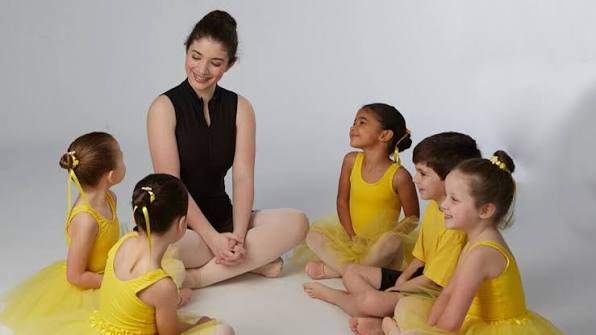
Introducing young children to dance can support far more than their ability to move to music. A thoughtfully designed preschool dance program can help children develop coordination, confidence, creativity, social awareness, and an early appreciation for movement. For instructors and studio owners, the key is creating lessons that feel fun and playful while still building skills in a logical sequence.
A complete preschool dance curriculum should balance structured instruction with exploration. Preschoolers learn differently from older students, so lessons need to account for shorter attention spans, developing motor skills, and a strong need for imagination and repetition. The best curriculum gives teachers a clear roadmap while leaving enough flexibility to respond to the energy and developmental needs of each class.
Age-Appropriate Movement Foundations
The foundation of any preschool dance program should be basic movement skills. Young dancers are still learning how their bodies work, so instruction should begin with simple actions before introducing more complex combinations. Movements should be easy to understand, repeat, and practice through games, music, and creative exercises.
A strong curriculum may introduce movements such as:
- Walking, marching, running, and skipping
- Hopping and jumping
- Tiptoe walking
- Bending and stretching
- Turning and spinning
- Galloping and sliding
- Balancing on one foot
- Moving forward, backward, and sideways
These movements help children build gross motor skills while becoming more aware of space, direction, and body control. Teachers can reinforce them through short combinations and imaginative activities rather than lengthy technical drills.
Basic Dance Vocabulary
Preschool students can begin learning dance terminology when it is introduced in simple, memorable ways. The goal is not to overwhelm children with technical language but to help them associate certain words with specific movements. Repetition allows those terms to become familiar over time.
Depending on the style of dance being taught, vocabulary might include terms such as plié, relevé, tendu, first position, point, flex, leap, and turn. Teachers can demonstrate each movement while saying its name, then incorporate it into songs, stories, and recurring classroom activities.
A complete preschool dance curriculum should revisit vocabulary regularly. Preschoolers benefit from predictable repetition, and hearing the same terms week after week helps them gradually develop a stronger dance foundation.
Rhythm and Musicality
Understanding rhythm is an essential part of learning to dance. Preschool students do not need advanced music theory, but they can begin developing the ability to hear a beat and respond to changes in tempo, volume, and musical style. These skills help children connect movement to music naturally.
Teachers can introduce musicality through activities such as clapping patterns, marching to a steady beat, freezing when music stops, or changing movement speed when the tempo changes. Simple instruments such as rhythm sticks, tambourines, or shakers can also make rhythm lessons more interactive.
Students may also practice recognizing differences between fast and slow, loud and soft, or smooth and sharp music. These activities strengthen listening skills while making dance classes more engaging.
Creative Movement and Imagination
Preschool dance should not focus entirely on technique. Creative movement gives children opportunities to explore ideas, express emotions, and discover new ways of moving. Imagination can also make technical concepts much easier for young students to understand.
For example, children might pretend to float like balloons, stomp like dinosaurs, flutter like butterflies, or stretch as tall as trees. Teachers can use familiar animals, weather, stories, colors, and everyday objects as inspiration for movement exercises.
Creative activities also encourage children to make choices. Asking students to create their own shape, pathway, or movement sequence gives them a sense of ownership while developing confidence and problem-solving skills.
Coordination and Motor Skill Development
Preschool dancers are still developing balance, coordination, strength, and body awareness. Dance lessons should intentionally reinforce these physical abilities without making exercises feel overly demanding. Short, playful activities are often more effective than repetitive conditioning.
Exercises may focus on:
- Crossing the midline of the body
- Balancing in different positions
- Coordinating arms and legs
- Changing directions
- Following pathways around the room
- Practicing controlled starts and stops
- Developing hand-eye and foot-eye coordination
Props can be especially useful for these activities. Scarves, beanbags, hoops, ribbons, and soft balls can encourage children to reach, balance, toss, follow, and move with greater control.
Spatial Awareness and Classroom Safety
Young children need practice understanding both personal and shared space. A dance class provides an excellent environment for teaching children how to move safely around others. Spatial awareness should therefore be a consistent component of the curriculum.
Teachers can use floor markers, spots, lines, or imaginative boundaries to help students understand where to stand and move. Activities can also introduce concepts such as high and low levels, near and far, large and small movements, and different pathways.
Safety expectations should remain simple and consistent. Children can learn to keep an appropriate distance from classmates, wait for their turn, follow movement directions, and stop when instructed.
Social and Emotional Development
Preschool dance classes offer valuable opportunities for children to practice social skills. Students learn to participate in a group, share space, follow instructions, and interact respectfully with classmates. These lessons can support emotional development just as much as physical development.
Partner exercises and group dances can introduce cooperation in an age-appropriate way. Students may take turns leading a movement, copy a partner, create shapes together, or participate in simple circle dances.
Dance can also help children build confidence. Positive encouragement and achievable challenges allow students to experience success while becoming more comfortable performing movements in front of others.
A Consistent Class Structure
Preschoolers often respond well to routines because predictability helps them understand what happens next. A consistent lesson structure can improve classroom management while helping students transition smoothly between activities. Teachers can vary the content while maintaining a familiar overall format.
A typical preschool dance class might include:
- Welcome activity
- Warm-up
- Basic movement practice
- Dance vocabulary
- Traveling steps
- Rhythm exercise
- Creative movement
- Short combination or choreography
- Cool-down
- Goodbye activity
The length of each segment should remain flexible. Teachers may need to move quickly from one activity to another if students begin losing focus.
Progressive Skill Development
Even though preschool classes should remain playful, the curriculum should still provide progression. Students benefit when skills build gradually from simple movements to slightly more challenging combinations. Progression also helps instructors avoid introducing concepts before children are developmentally prepared.
For example, students might first practice standing on one foot before adding a balance with arm positions. They may learn to jump in place before jumping forward, backward, or over an object. A simple march may eventually develop into a traveling sequence with changing directions.
A complete preschool dance curriculum should provide teachers with clear developmental goals while recognizing that every child progresses at a different pace. Flexibility allows instructors to revisit skills when needed rather than rushing toward the next milestone.
Songs, Props, and Teaching Resources
Young children learn through sensory experiences, repetition, and play. Music, props, visual aids, and themed activities can help maintain attention while reinforcing lesson objectives. These tools should support instruction rather than simply filling class time.
Useful classroom resources may include scarves, ribbons, beanbags, hoops, floor spots, stuffed animals, picture cards, and rhythm instruments. Teachers can also use seasonal themes or familiar stories to give movement activities additional context.
Music selection is equally important. Songs should be age-appropriate, easy to hear, and varied enough to expose students to different rhythms, tempos, and moods.
Choreography and Memory Skills
Simple choreography can help preschoolers practice sequencing and memory. Young dancers do not need lengthy routines, but they can begin learning how several movements connect together. Short combinations are usually easier to remember and more enjoyable to practice.
Teachers might begin with two or three movements and gradually add additional steps. Repeating combinations across several classes gives students time to gain confidence rather than expecting immediate memorization.
Choreography can also introduce basic performance skills. Students can practice facing an audience, beginning and ending together, maintaining their place, and continuing even if they forget a movement.
Assessment Without Pressure
Assessment can be useful in preschool dance, but it should remain developmentally appropriate. Formal testing is rarely necessary. Instead, instructors can observe students during class and track progress over time.
Teachers may look for improvements in areas such as:
- Balance
- Coordination
- Rhythm
- Listening skills
- Movement recall
- Spatial awareness
- Participation
- Confidence
- Ability to follow directions
These observations can help teachers adjust future lessons. They may also provide helpful information when communicating with parents about a child’s progress.
Frequently Asked Questions About Preschool Dance Curriculum
What age should children begin preschool dance?
Many children can begin structured dance classes around ages two and a half to three, depending on the program and the child’s readiness. Classes at this age should focus primarily on movement exploration, coordination, music, and participation rather than formal technique.
How long should a preschool dance class be?
Many preschool dance classes last approximately 30 to 45 minutes. The ideal length depends on the age of the students, class size, and lesson structure.
Should preschool dancers learn ballet terminology?
Yes, basic terminology can be introduced gradually. Terms should be paired with demonstrations, repetition, and imaginative explanations that young children can understand.
How much repetition should preschool dance lessons include?
Repetition is extremely important for preschoolers. Familiar exercises help children strengthen skills, remember vocabulary, and feel more confident while still allowing instructors to add small variations.
Should preschool dance classes include performances?
Performances can be beneficial when expectations remain age-appropriate. Short routines can help children develop confidence, memory, teamwork, and basic stage awareness without creating unnecessary pressure.
Are props necessary for preschool dance classes?
Props are not required, but they can make lessons more engaging. Scarves, ribbons, hoops, and other simple items can help teach movement quality, coordination, rhythm, and spatial awareness.
How structured should preschool dance classes be?
Classes should have a consistent structure but remain flexible. Preschoolers benefit from predictable routines, yet teachers should be prepared to shorten, modify, or replace activities based on student engagement.
Building a Curriculum That Supports the Whole Child
An effective preschool dance program should do more than teach individual steps. It should introduce children to movement in a way that supports physical development, creativity, musical awareness, social interaction, and confidence. Each activity should contribute to a larger developmental goal while still feeling enjoyable and accessible.
A complete preschool dance curriculum combines foundational movement, terminology, rhythm, creative exploration, coordination, spatial awareness, choreography, and age-appropriate progression. It also gives teachers enough structure to deliver consistent instruction without eliminating the flexibility that preschool students require.
When these elements work together, dance class becomes an environment where young children can learn through movement while building skills they can carry into future dance training and everyday life. A thoughtful curriculum creates the foundation for strong dancers while helping children associate movement, music, and learning with positive experiences.
