
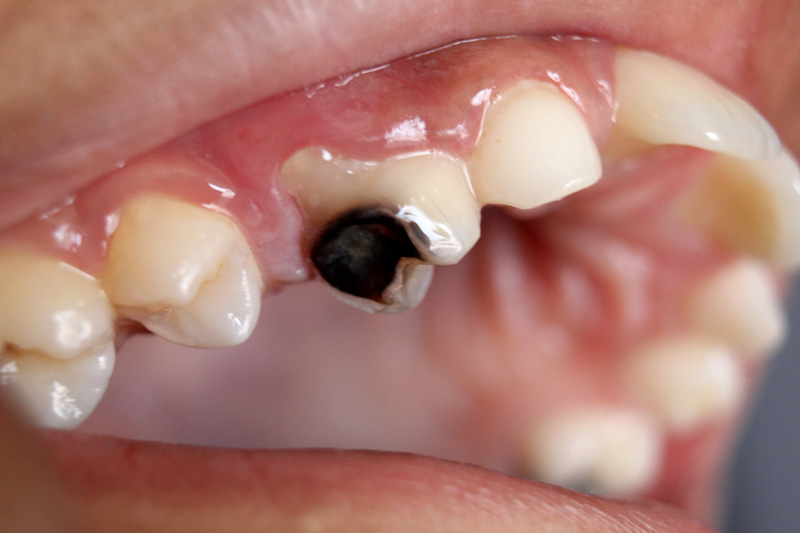
Most dentists will tell you the same thing: saving a natural tooth is always the first choice. Fillings, crowns, and root canals exist precisely because keeping your own tooth is almost always better than removing it. But sometimes a tooth simply cannot be saved, and pulling it becomes the healthiest option for your mouth. Understanding when extraction is necessary and what the process actually involves can help you feel less anxious if your dentist recommends it. If you are searching for information on tooth extraction in Phoenix, AZ, this guide walks through the most common reasons teeth need to come out, what to expect, and how to recover comfortably.
Signs a Tooth May Need to Come Out
It is not always obvious that a tooth is beyond saving. Some warning signs are painful and impossible to ignore, while others are subtle and only show up on an X-ray. Common signs include the following.
- Persistent, throbbing pain that does not respond to over-the-counter pain relievers
- Visible cracks or fractures that extend below the gumline
- A tooth that feels loose or shifts when you bite down
- Swelling, tenderness, or a bad taste that suggests infection
- Sensitivity to hot or cold that lingers for more than a few seconds
- Gums that have pulled away significantly from a specific tooth
If you notice any of these symptoms, it is worth scheduling an exam sooner rather than later. Catching a problem early sometimes means the difference between a simple filling and a full extraction.
Severe Tooth Decay
Cavities are one of the most common reasons a tooth eventually needs to be pulled. When decay is caught early, a filling or crown usually solves the problem. But when decay is left untreated, it can eat through the enamel, into the dentin, and eventually reach the pulp at the center of the tooth. Once the infection reaches that point, a root canal may still save the tooth. However, if the structure has broken down too much for a crown or filling to hold, extraction becomes the safer route. Dentists generally try every restorative option first, since removing a tooth is considered a last resort rather than a first response to decay.
Advanced Gum Disease
Periodontal disease does not just affect the gums; it also affects the bone and ligaments that hold teeth in place. In its early stages, known as gingivitis, the condition is reversible with better oral hygiene and professional cleanings. Left untreated, it can progress into periodontitis, which gradually destroys the support structure around a tooth. Once a tooth has lost too much bone support, it may become loose enough that saving it is no longer realistic. At that stage, extraction helps prevent the infection from spreading to neighboring teeth and allows the gums and bone to heal.
Impacted or Problematic Wisdom Teeth
Wisdom teeth, or third molars, are notorious for causing problems. Many mouths simply do not have enough room for them, which causes them to become impacted, meaning they are stuck beneath the gum or growing in at an angle. Impacted wisdom teeth can push against neighboring molars, trap food and bacteria, or lead to cysts. Even wisdom teeth that fully emerge can be difficult to clean because of their position at the very back of the mouth, making them more prone to decay and gum inflammation. For these reasons, wisdom tooth extraction is one of the most frequently performed dental procedures, often recommended proactively before problems develop.
Overcrowding Before Orthodontic Treatment
Sometimes a tooth is perfectly healthy but still needs to be removed to make room for orthodontic treatment. When a mouth is too crowded for braces or aligners to properly shift teeth into alignment, an orthodontist may recommend extracting one or more teeth, often premolars, to create space. This is a planned, strategic extraction rather than one driven by disease or damage, and it is typically decided collaboratively between the orthodontist and dentist.
Trauma or Injury
A hard fall, sports injury, or car accident can fracture a tooth below the gumline or damage it so severely that restoration is not possible. Dentists will always evaluate whether a cracked or knocked-loose tooth can be splinted, bonded, or treated with a root canal and crown first. When the root itself is fractured, or the tooth is too unstable to support a restoration, extraction is usually the recommended path forward.
Infection That Has Reached the Root
A tooth abscess is a serious infection that forms at the root or between the gum and tooth. It happens when bacteria invade the pulp, often as a result of untreated decay, a cracked tooth, or gum disease. Abscesses can cause intense pain, facial swelling, fever, and, in rare cases, can become a medical emergency if the infection spreads. A root canal can often clear the infection and save the tooth, but if the damage is too extensive or the infection keeps returning, extraction may be the only way to fully resolve it and protect the rest of the mouth.
What Happens During a Tooth Extraction
Knowing what to expect can ease a lot of the anxiety around having a tooth pulled. Extractions generally fall into two categories.
- Simple extraction: performed on a tooth that is visible above the gumline, usually under local anesthesia, using instruments to loosen and remove the tooth
- Surgical extraction: used for teeth that are impacted, broken at the gumline, or otherwise difficult to access, sometimes requiring a small incision and occasionally sedation
Before the procedure, your dentist will take X-rays, review your medical history, and discuss anesthesia or sedation options. During the appointment itself, the area is numbed completely, so patients typically feel pressure rather than pain. Afterward, you will receive detailed instructions for at-home care, along with guidance on what to eat, how to manage swelling, and when to follow up.
Recovering After an Extraction
Healing time varies depending on the type of extraction and the individual, but most people feel significantly better within a few days. A few habits can help the process go smoothly.
- Bite down gently on gauze for the first few hours to help a blood clot form
- Avoid rinsing, spitting forcefully, or using a straw for at least 24 hours
- Stick to soft foods like yogurt, mashed potatoes, and smoothies for the first day or two
- Use a cold compress on the cheek to reduce swelling
- Take any prescribed or recommended pain medication as directed
- Avoid smoking, which can interfere with healing and increase the risk of complications
Most patients return to normal activities within a couple of days, though full healing of the gum tissue can take a few weeks. Your dentist will let you know if a replacement option, such as a dental implant, bridge, or partial denture, makes sense for your situation once healing is complete.
Replacing an Extracted Tooth
Leaving a gap after an extraction, especially for a back tooth, can eventually cause other teeth to shift, changing your bite over time. Dentists usually walk through replacement options during the extraction consultation, since the timeline for some options, like implants, depends on how the extraction site heals. Common replacement choices include dental implants, fixed bridges, and removable partial dentures, each with its own cost, timeline, and maintenance considerations.
Frequently Asked Questions
Does getting a tooth pulled hurt? The extraction itself should not hurt since the area is numbed with local anesthesia. Some pressure or tugging sensation is normal, but sharp pain is not, and you should tell your dentist right away if you feel it.
How long does recovery take? Simple extractions usually feel much better within two to three days, while surgical extractions, such as impacted wisdom teeth, can take a week or more for the surface tissue to heal. Complete bone healing takes several weeks to months.
Can I eat normally after an extraction? Not right away. Stick to soft, cool foods for the first day or two and avoid chewing directly on the extraction site until your dentist gives the go-ahead.
What is dry socket, and how do I avoid it? Dry socket happens when the blood clot at the extraction site is dislodged before healing occurs, exposing bone and nerves underneath. Avoiding straws, smoking, and vigorous rinsing for the first 24 to 48 hours significantly lowers the risk.
Will I need a replacement tooth? Not always, but for visible teeth or teeth used heavily for chewing, replacement is often recommended to prevent shifting and maintain a healthy bite. Your dentist can discuss whether an implant, bridge, or denture fits your needs.
Is tooth extraction covered by dental insurance? Many dental insurance plans cover a portion of extraction costs, especially when the procedure is medically necessary. Coverage amounts vary by plan, so it is worth checking your benefits or asking the dental office to verify them for you.
Talk to a Dentist Before Deciding
A tooth extraction is never the first choice, but sometimes it is the option that protects your overall oral health the most effectively. If you are dealing with persistent pain, a damaged tooth, or a dentist has already recommended removal, getting a second opinion or asking detailed questions can help you feel confident in the decision. Anyone researching tooth extraction in Phoenix, AZ, should look for a dental team that explains every option clearly, walks through the procedure step by step, and supports you through recovery. A healthy, comfortable smile is the goal, whether that means saving a tooth or making room for a better long-term solution.
